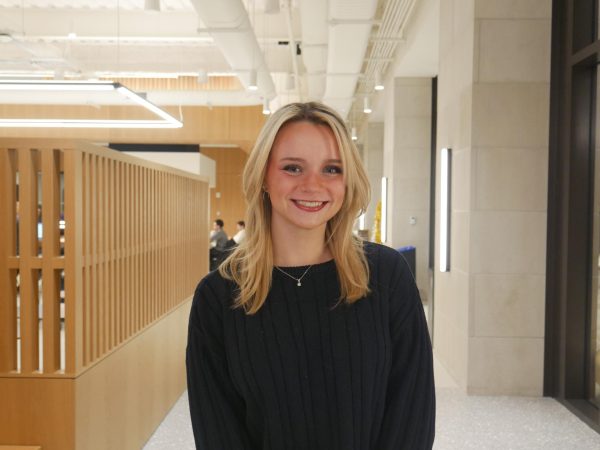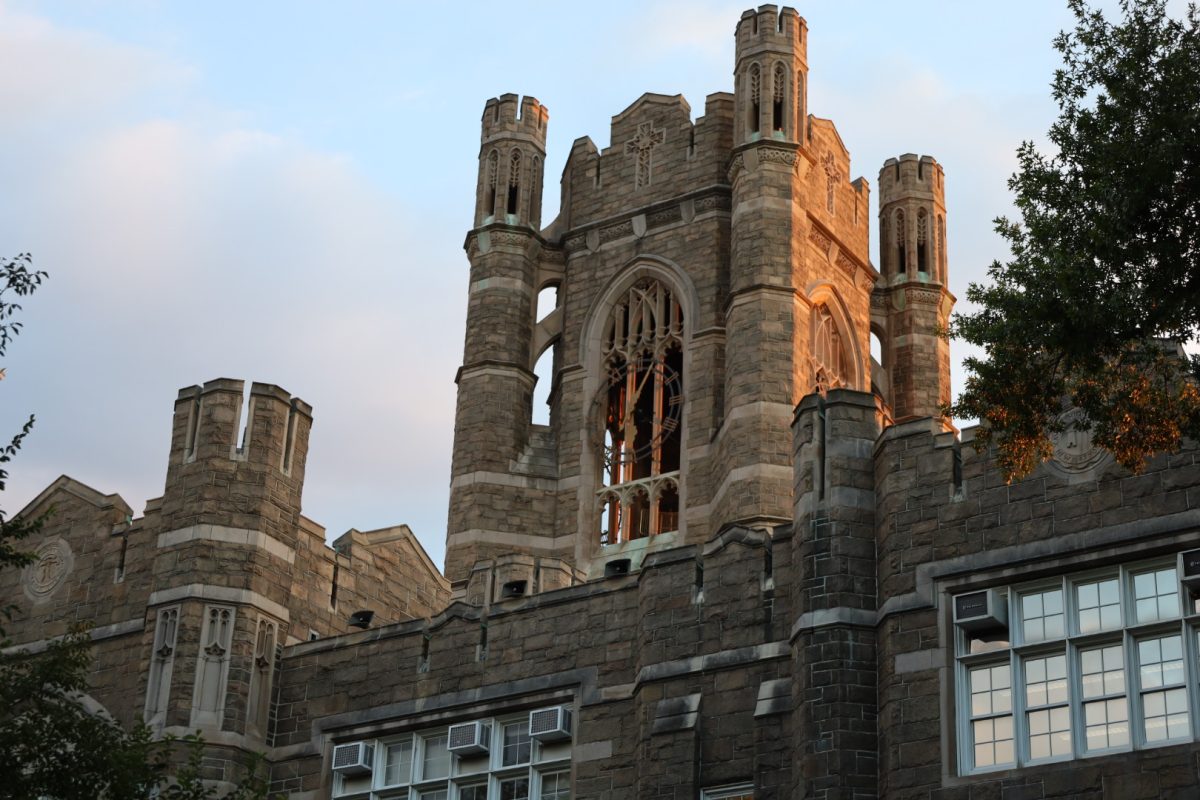














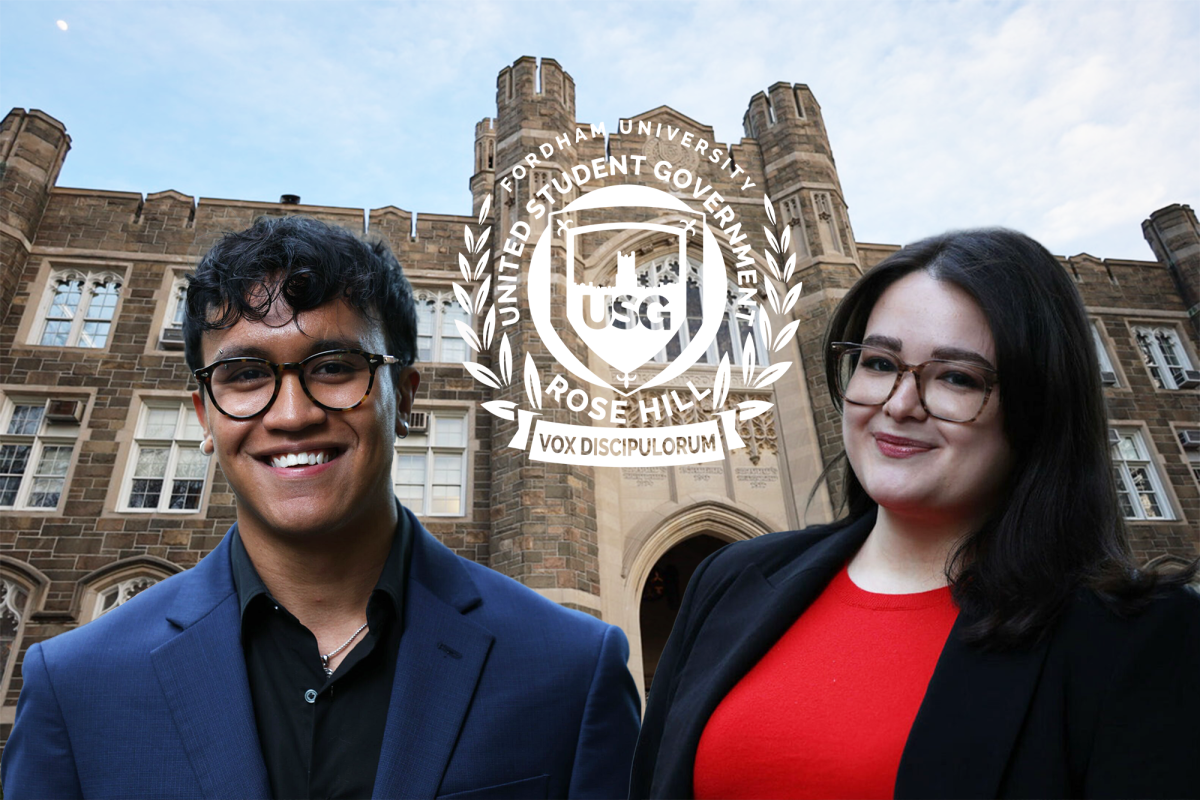











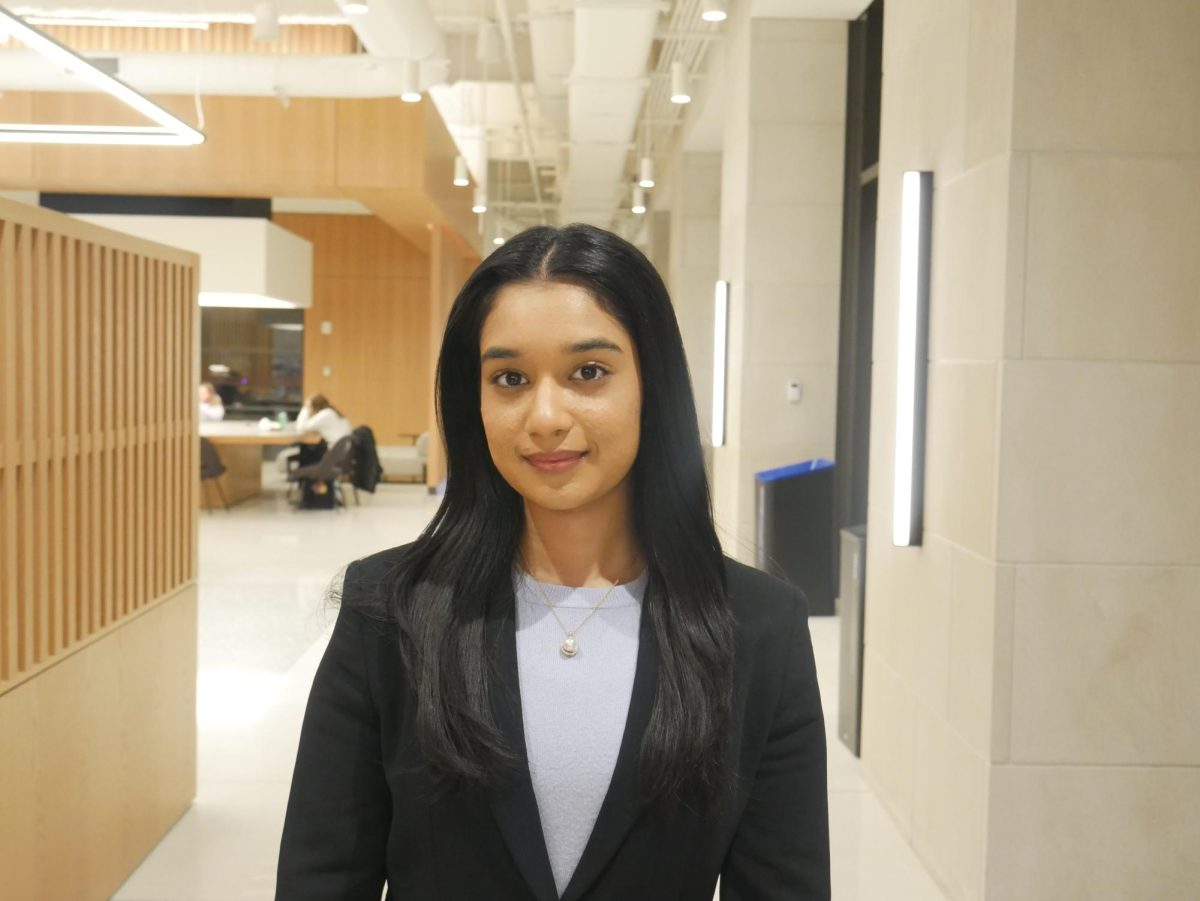
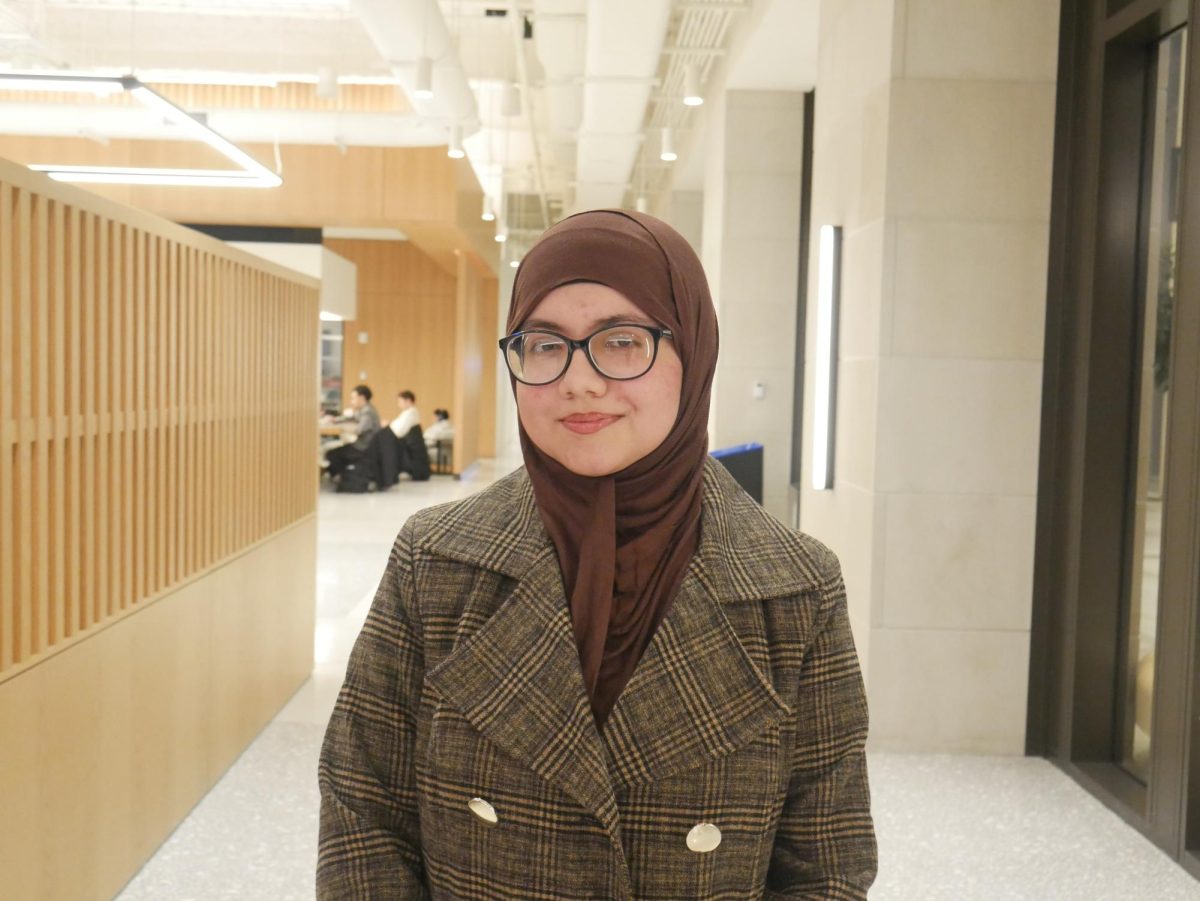
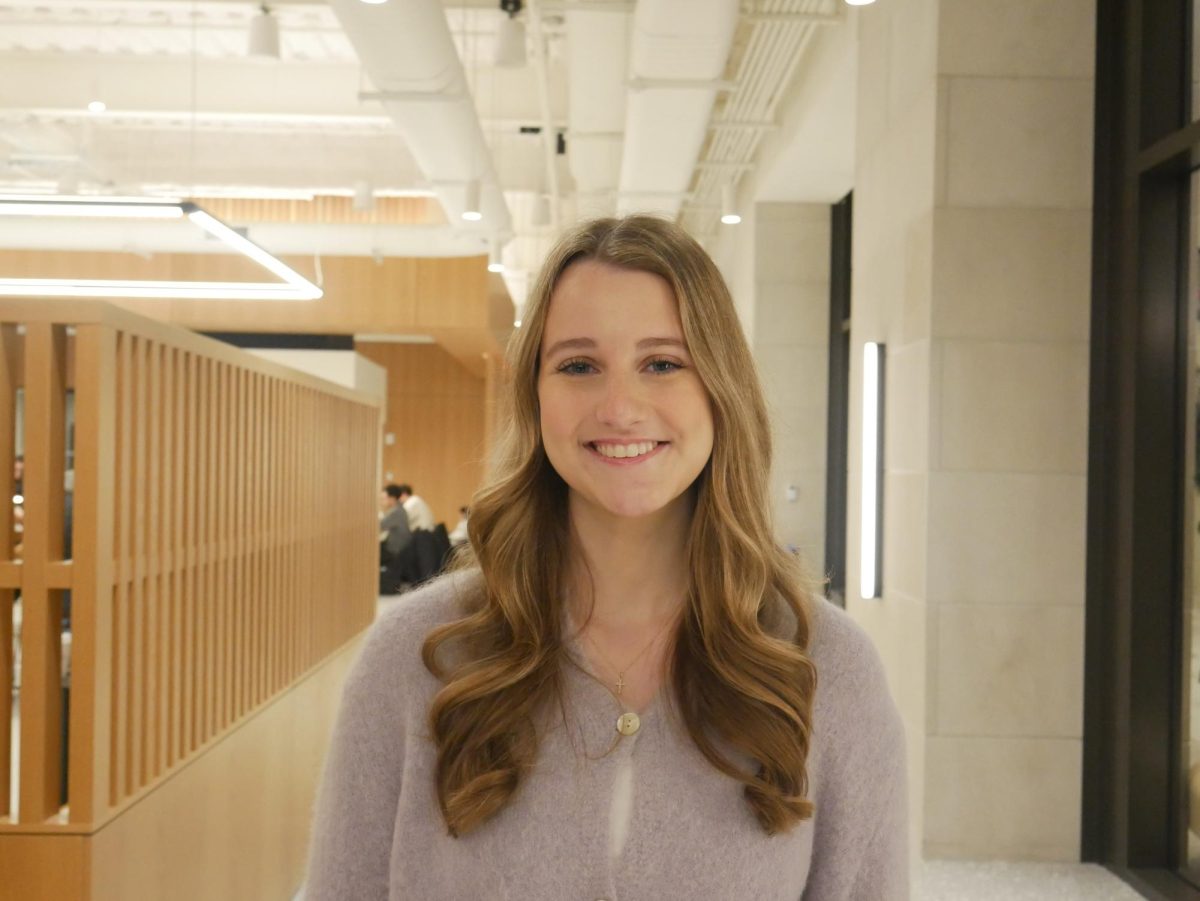


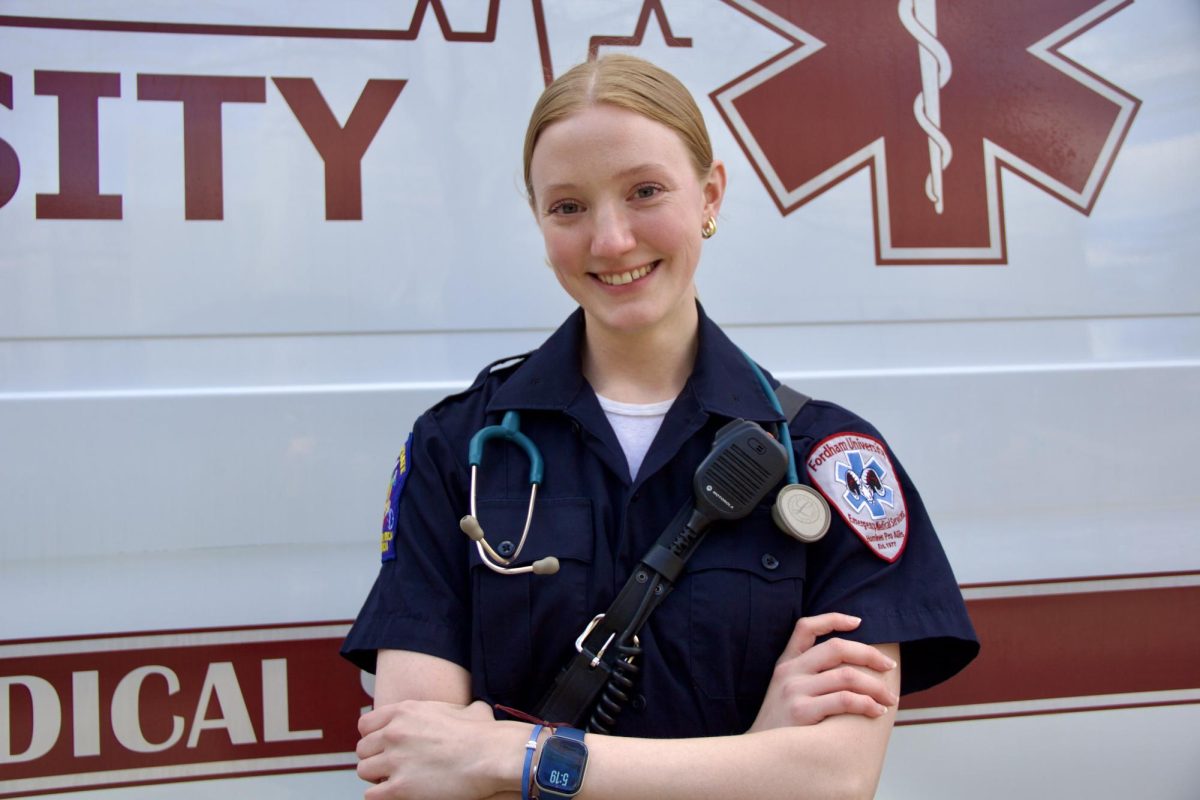
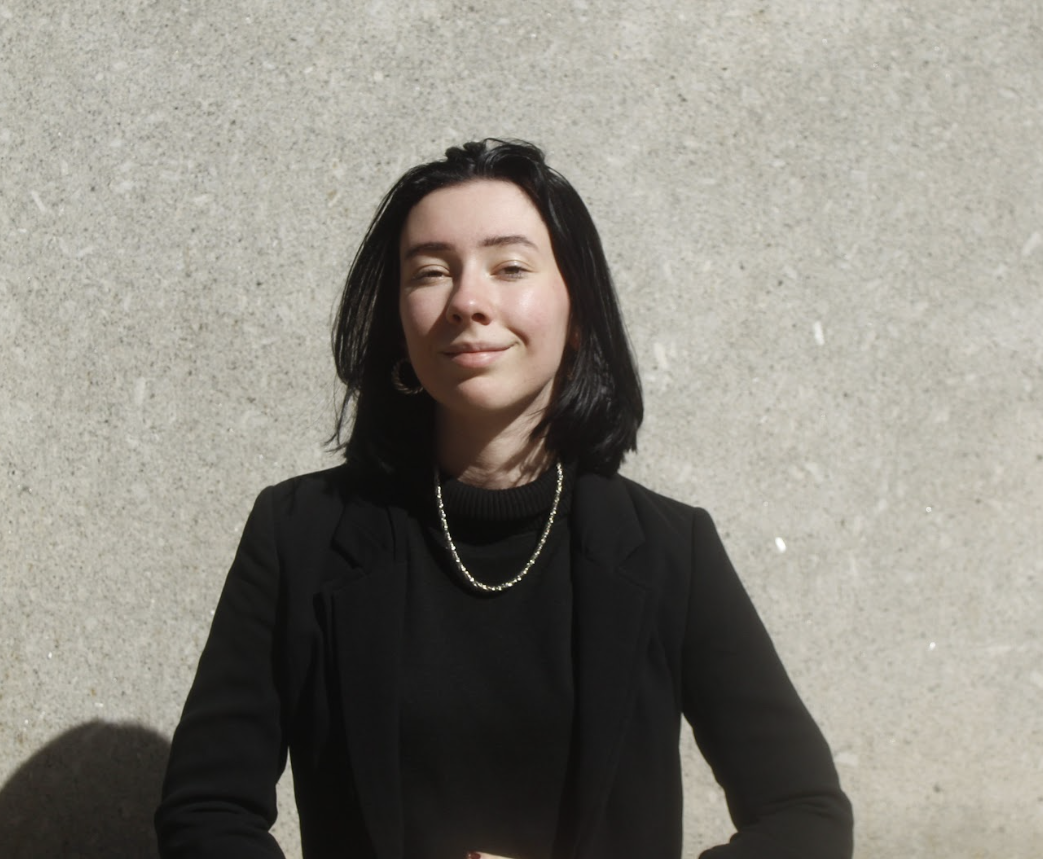







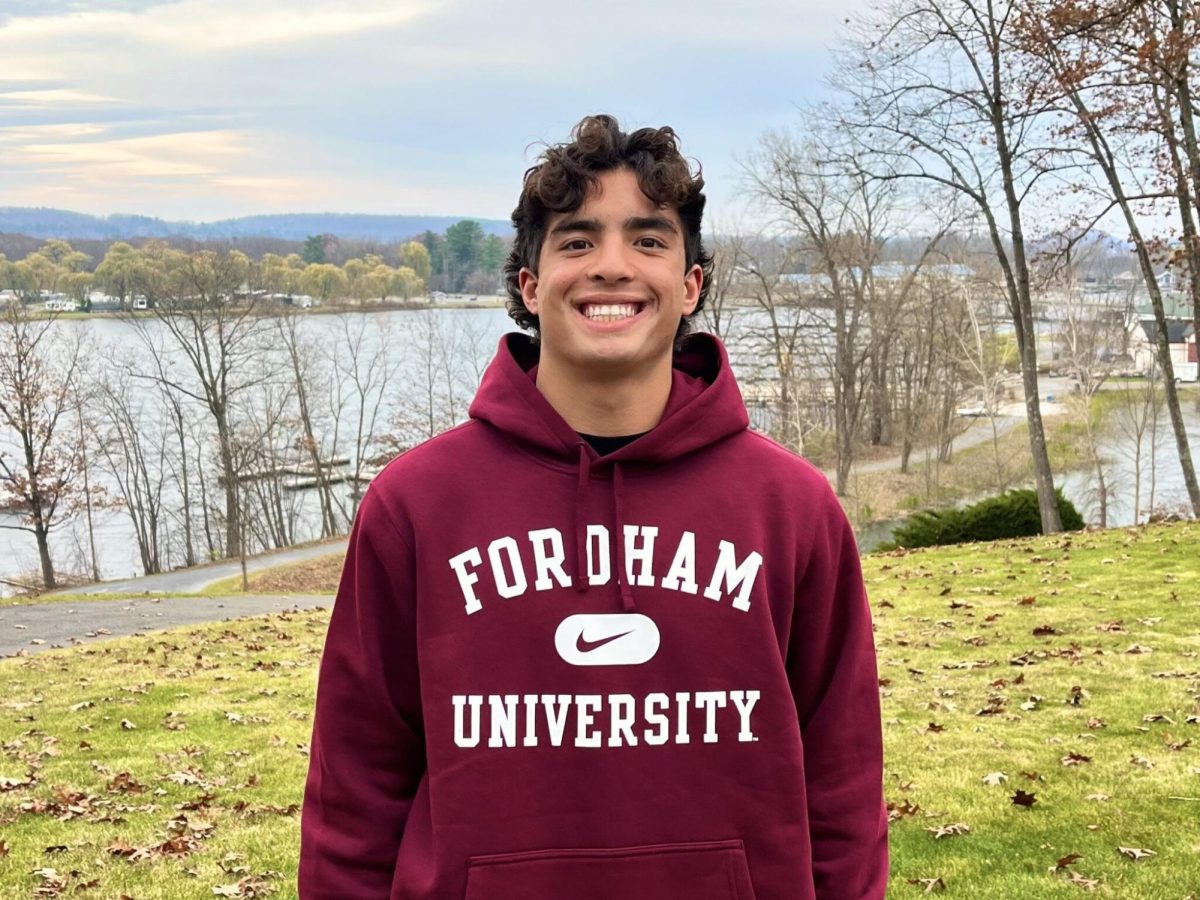


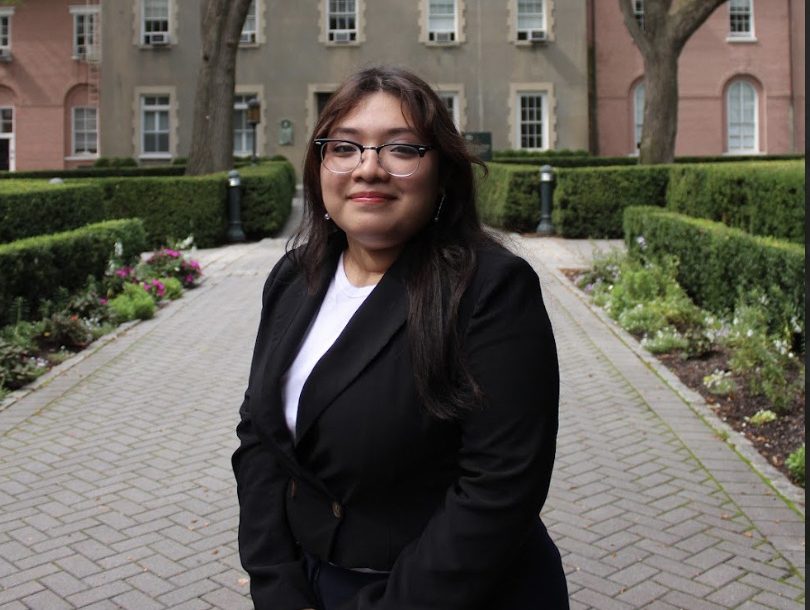


















































































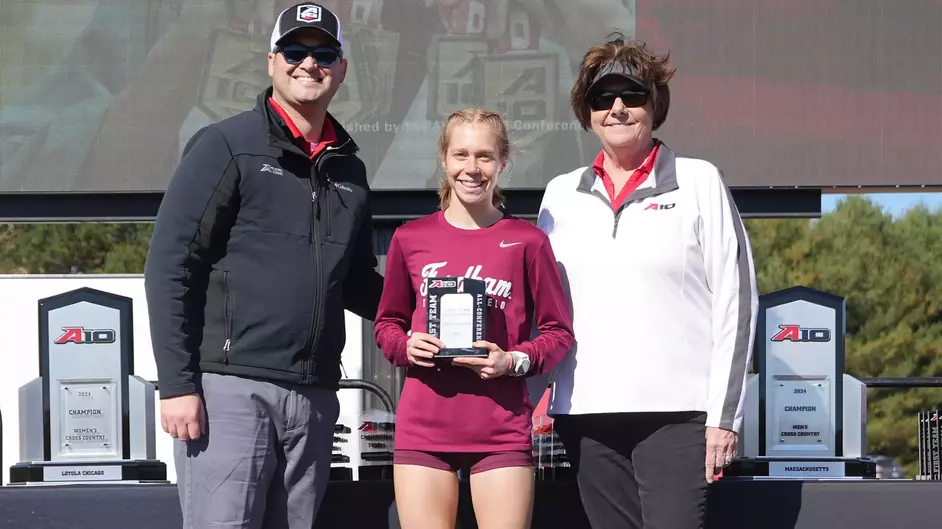

































Fordham University STEM students Lianna Cutter, FCRH ’27, and Jenna Cain, FCRH ’27, were recently awarded the highly competitive Barry Goldwater Scholarship, inducting them into a 40-year legacy of esteemed scholars and STEM-related researchers.
Established in 1986, the Barry Goldwater Scholarship is one of the most prestigious awards for undergraduate students engaged in research within the STEM realm. It aims to recognize those students who demonstrate exceptional promise and are making advancements in their fields. Cutter and Cain were both selected out of a large pool of roughly 5,000 national applicants for their research experience, academic excellence and potential for their future careers in science.
Cutter said the experience of winning this award was surreal, drawing on previous students she had seen receive this scholarship.
“I knew about the Goldwater as this incredibly prestigious award that the smartest people I knew were winning,” Cutter said. “I never really thought that one day, that was going to be me.”
Both students are already engaged in distinct yet rigorous research initiatives at Fordham laboratories under the guidance of Fordham faculty and professors, on top of a plethora of other activities.
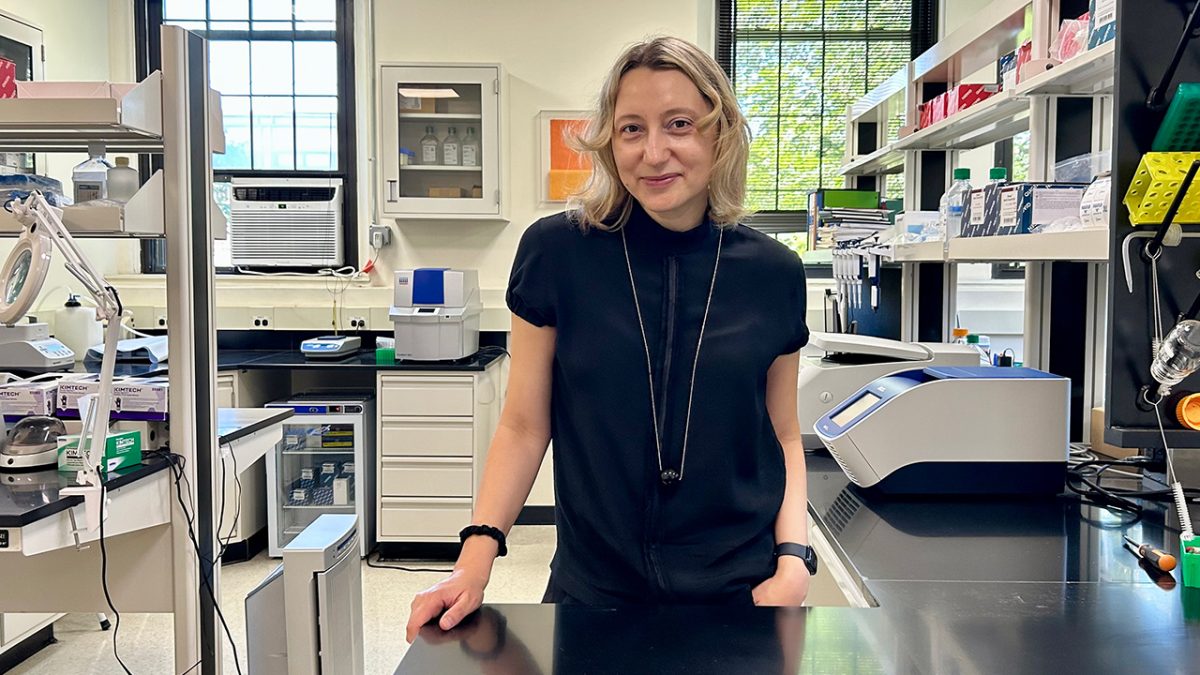
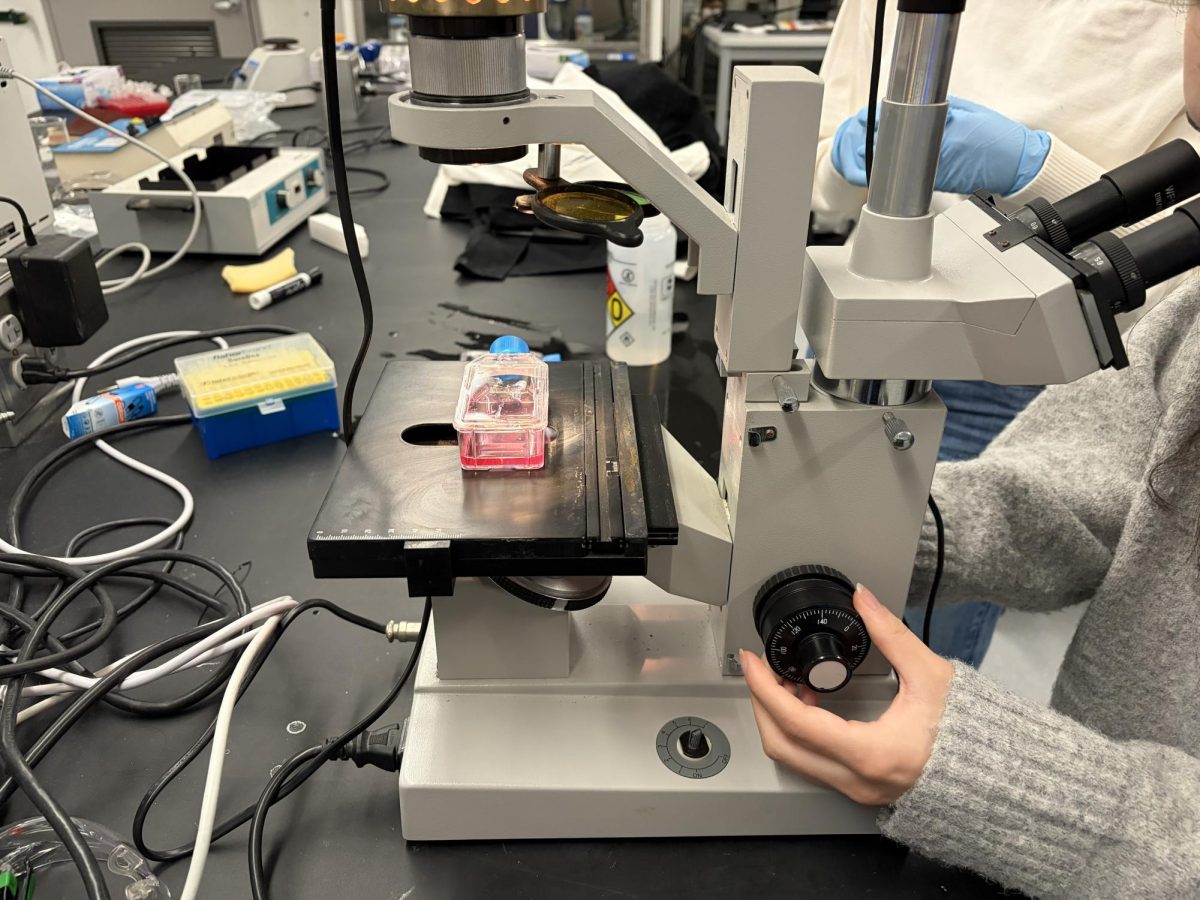
Cutter, who is originally from Costa Rica, joined Fordham biochemistry professor Ipsita Banerjee, Ph.D.’s research lab early on during her Fordham career with no prior research experience. For the past three years, she has been working with peptide-based treatments for aggressive triple-negative breast cancer.
“Our lab designs small molecules based on specific receptors on specific types of cells,” Cutter explained. “The idea is that by designing these small molecules to bind to specific receptors, we can increase specificity and reduce the toxicity of chemotherapeutics.”
In addition to this research, Cutter works on a human epilepsy clinical research project affiliated with institutions such as New York University and Mount Sinai. She has presented her work at multiple conferences around the country, and she described this award as a validation of the hard work she has engaged in during her time at Fordham.
“It’s validating, not in terms of recognition, but because it shows that all of the time and effort — late nights and weeks in the lab — actually meant something,” Cutter said. “It makes me feel like I’m moving in the right direction.”
After graduating from Fordham, Cutter aspires to enter an M.D.-Ph.D. program where she can continue her research on cancer treatments while engaging with and helping people directly. She said she will use the $7,500 of scholarship money in various ways.
“The funding is definitely going towards tuition,” Cutter said. “[It is] also [going] toward things like MCAT preparation materials. It’s very helpful in a practical sense; it takes some of the financial pressure off and lets me keep focusing on my research and plans.”
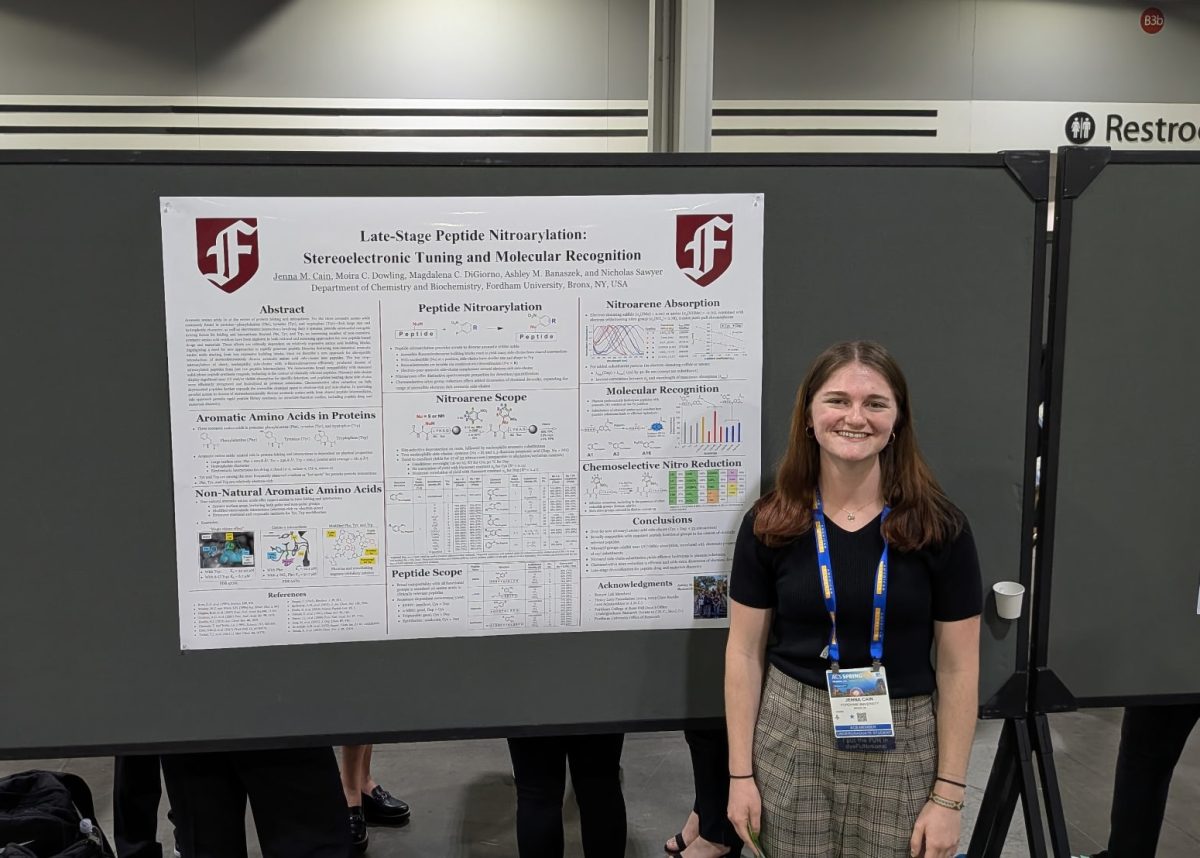
Much like Cutter, Cain engages in research initiatives at Fordham. In the summer of 2022, Cain walked into Fordham bio-organic chemistry professor Nicholas Sawyer, Ph.D.’s research lab as a high school student to shadow an undergraduate researcher for the summer. Now, Cain is helping to lead a research initiative specializing in how peptides can be applied in advancing drugs for life-threatening diseases like diabetes and cancer.
Cain explained that this award served as an external validation of the hard work she is putting in during her undergraduate years.
“It was so exciting. I was really proud of myself for getting this recognition,” Cain said. “It felt quite nice to know that I am doing good work and being impactful in the scientific community.”
Sawyer explained that Cain stands out as a student and researcher for a variety of reasons, including her ambition and persistence in succeeding and growing.
“There are moments in any project where you have to change the weather to change direction completely, and she was the one who would say, ‘Let’s try one more experiment.’ That kind of persistence is rare, and it’s what allowed her to succeed in such an ambitious project,” Sawyer said.
Sawyer elaborated on what Cain brings to his research lab.
“She has what I would argue is a trifecta of traits: intelligence, ambition and leadership,” Sawyer said. “She doesn’t just run experiments and hand over the data; she thinks critically about what it means and what to do next, and more often than not, her instincts are what made this project work.”
Cain said that she plans to pursue a Ph.D. program in chemical engineering, and wants as well to research renewable energy. She elaborated on the many benefits this award entails.
“Another benefit of it is you then get to be a part of a network of these Goldwater scholars,” Cain said. “[There are] a lot of programming opportunities within that, so you get to meet students from other institutions that are doing research and are really passionate about it as well.”
Cain and Cutter’s recognition marks the third year in a row in which two Fordham students have been awarded the Barry Goldwater Scholarship. For both of them, this is a significant step towards their future goals in STEM.