



























































































































































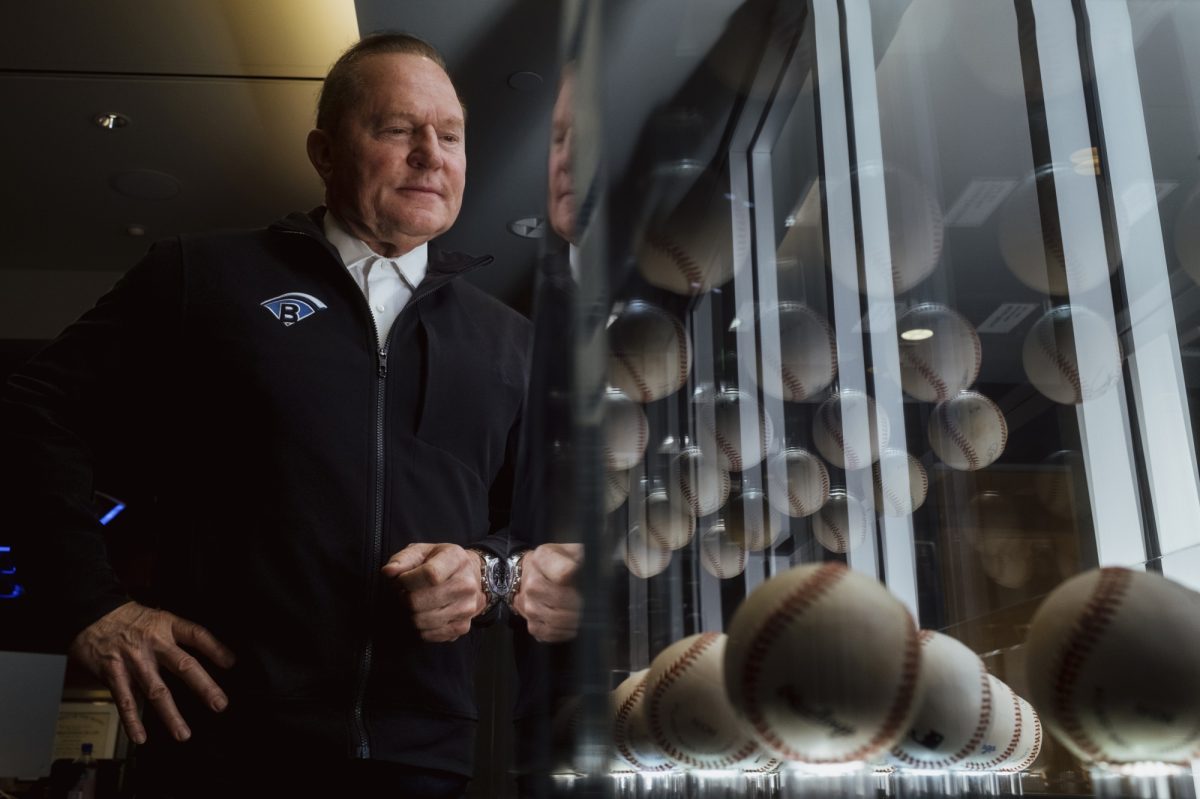
MLB player contracts have been dramatically increasing in recent years. There seems to be a competitive element to these negotiations, with players wanting to set records for year ly and total pay. However, one agent seems to be competing to outdo himself. Scott Boras has been representing MLB players for decades and has broken his own records on numerous oc- casions. Bloomberg estimates that Boras’ contracts for his clients amount to over $10 billion with $1.7 billion of that being signed in the 2024 offseason alone.
Boras, a former college baseball player, is obsessed with the sport. He is known to travel across the country to watch the players he represents and track their performance. Boras personally calculates his players’ statistics and writes down every pitch of every at bat. When it comes time to negotiate, Boras brings entire binders of statistics to the table to leverage the best possible deal for his clients. Long before the near-billion dollar contracts MLB players receive today, Boras represented elite players and helped negotiate record breaking deals. In 2001, Boras landed Alex Rodriguez a 10-year $252 million deal with the Texas Rangers in what was then the largest contract in American
sports history.
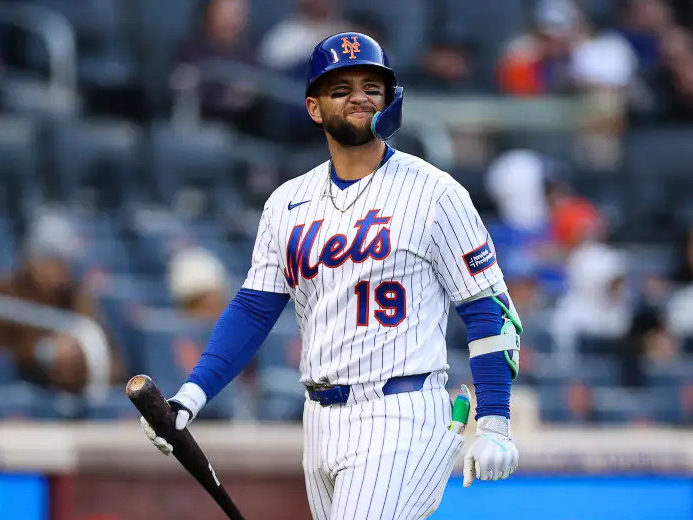
In December 2023, Japanese phenom Shohei Ohtani shattered all previous records by signing a $700 million contract with the Los Angeles Dodgers. The Dodgers recognized Ohtani’s unique value as the only two-way player in the league and were willing to commit to a massive contract for that reason. To most, Ohtani is indisputably the best player in baseball. When Ohtani was entering the league in 2018, Boras personally visited him in Japan several times in an effort to become his agent. In the end, Ohtani decided on a different agent and landed a huge contract without Boras’ masterful negotiating skills. Only a year after signing the mega deal, Boras surpassed Ohtani’s record with a different player. Boras’ client Juan Soto, a superstar outfielder, signed a 15-year $765 million contract with the New York Mets. The contract features an option at the fifth year, meaning if Soto opts-in and remains with the Mets, an additional $4 million per year will be added, raising Soto’s overall earnings to $805 million. The deal also includes performance incentives. If Soto wins the Most Valuable Player (MVP) award, he will be paid $500,000. Each MVP award he wins after the first will earn him $1 million. If he finishes second in MVP voting, he earns $350,000; if he finishes in third through fifth in MVP voting, he will earn $150,000. Soto is four years younger than Ohtani, enabling Boras to land him a longer and more lucrative deal.
Yahoo Finance estimates Boras’ net worth to be $450 million. For each free agent contract that Boras negotiates, he pockets 5% of the payout. Boras’ contracts have no doubt elevated player pay around the league. Oftentimes, Boras is able to achieve such large financial commitments from teams by negotiating long-term contracts in the range of nine to 12 years. The ramifications of these contracts are yet to be seen. If these players perform signifi-cantly worse in the later years of their careers, owners will certainly be more hesitant to commit to decade-spanning deals.
There are signs that owners are beginning to formulate a defense against Boras. Cody Bellinger, an elite outfielder and Boras client, was a free agent this winter, seeking a contract in the neighborhood of $210 million over seven years. Bellinger’s most recent team, the New York Yankees, lowballed Bellinger with an offer for $155 million over five years. Bellinger and Boras declined and sought to play the market, hoping the Mets, Dodgers or Blue Jays would enter the picture with a bigger offer. However, one by one, Bellinger’s alternatives pivoted to different moves, leaving the Yankees as his only suitor. Bellinger accepted a five-year $162.5 million deal with New York, walking away with $48 million less than he had hoped.
The name of Boras’ game is to engage with several teams and instigate a bidding war over his clients. This strategy worked last winter when the Yankees and Mets fought over Soto until the Yankees blinked once the price rose to well over $700 million. When teams sensed that the same scramble would take place with Bellinger on a smaller scale, most went in a different direction. Without the threat of rival teams competing for his client, Boras could do little more than cave to the Yankees’ terms.
Regardless, Boras will continue to earn his players as much money as he can. With larger market teams being his primary suitors, Boras is no small part in the growing gap between the top and bottom of MLB ballclubs. Soto’s $51 million in yearly pay is nearly as much as teams like the Miami Marlins and Oakland Athletics will pay their entire rosters. The results show on the field, with wealthier clubs like the Dodgers and Houston Astros making frequent trips to the World Series. Calls for a salary cap from fans are getting louder, but Boras continues working on his next big deal.