






















































































































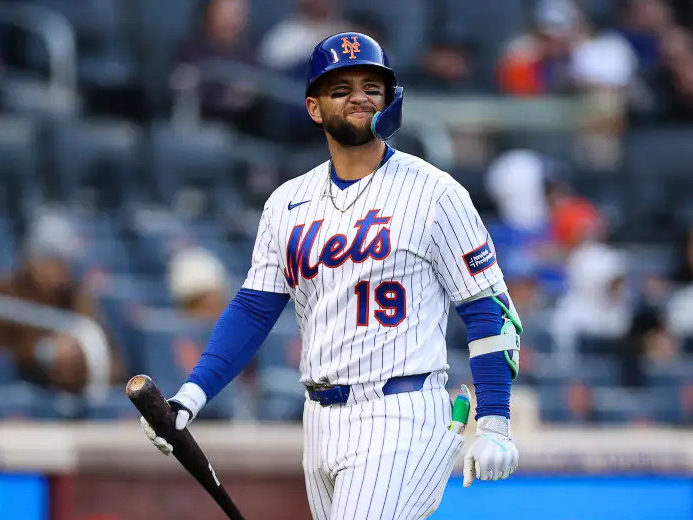




























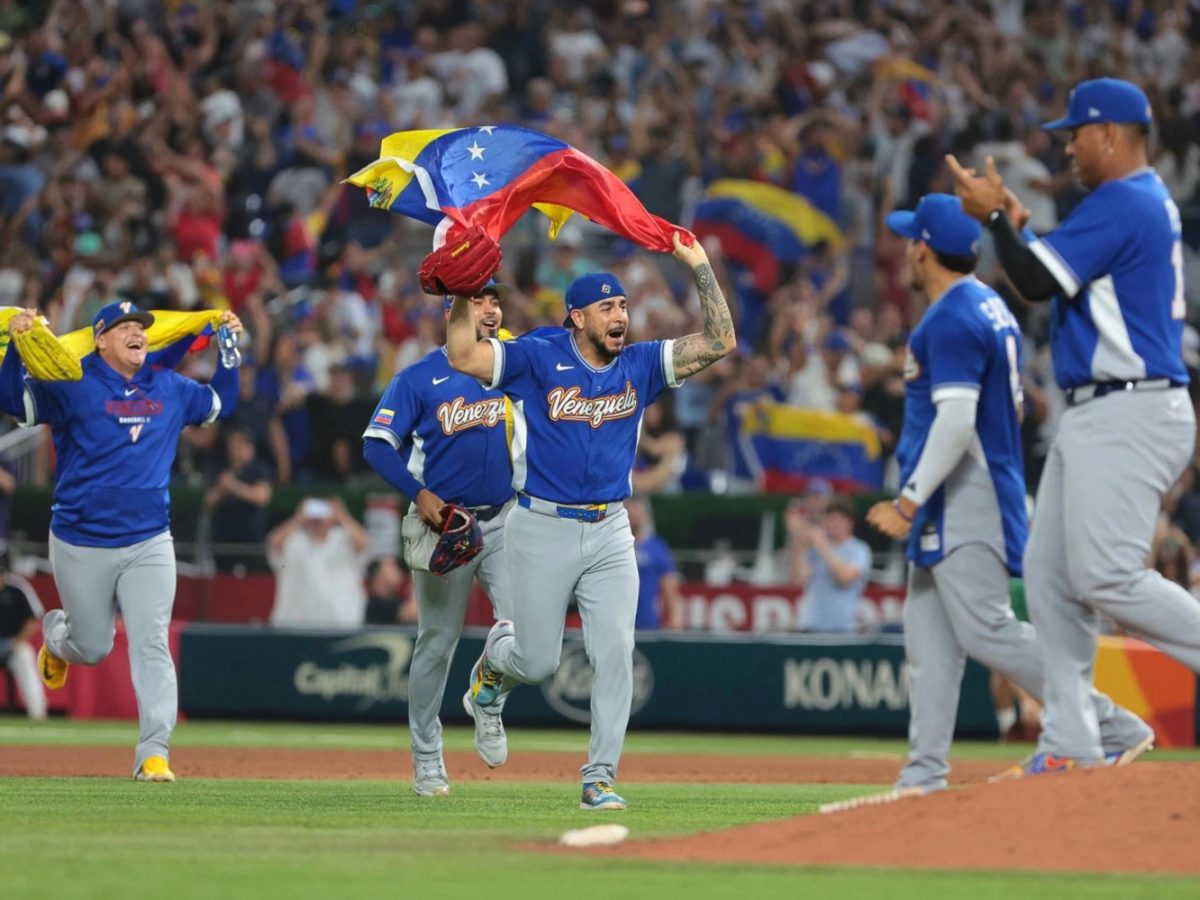


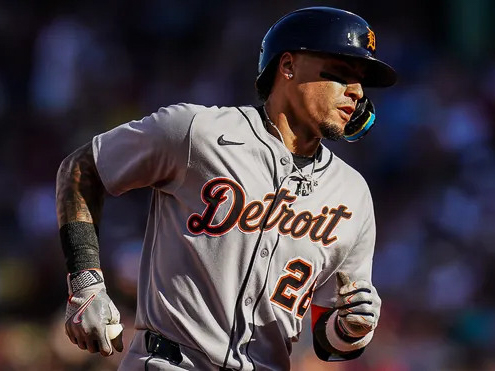
As excitement ramps up for the upcoming World Baseball Classic (WBC), a series of roadblocks has eliminated players from the event before the tournament starts. Disputes about insurance have caused several players to withdraw from the event. This has primarily impacted Team Puerto Rico, which is threatening to withdraw from the tournament after nearly 10 of their players were denied insurance. However, infielder Javy Báez was deemed ineligible to play for Team Puerto Rico for a different reason.
Báez tested positive for marijuana use in March of 2023 during the prior WBC; as a consequence, he was suspended from WBC events until April 2026.
“I don’t want to point fingers at anybody because this is all my fault. I’m the one that failed the test … It’s just really frustrating that I won’t be able to be there and able to be part of this,” Báez said in his first interview since the suspension. Despite Báez’s accountability for the suspension, the WBC received heavy backlash from fans who considered the punishment harsh.
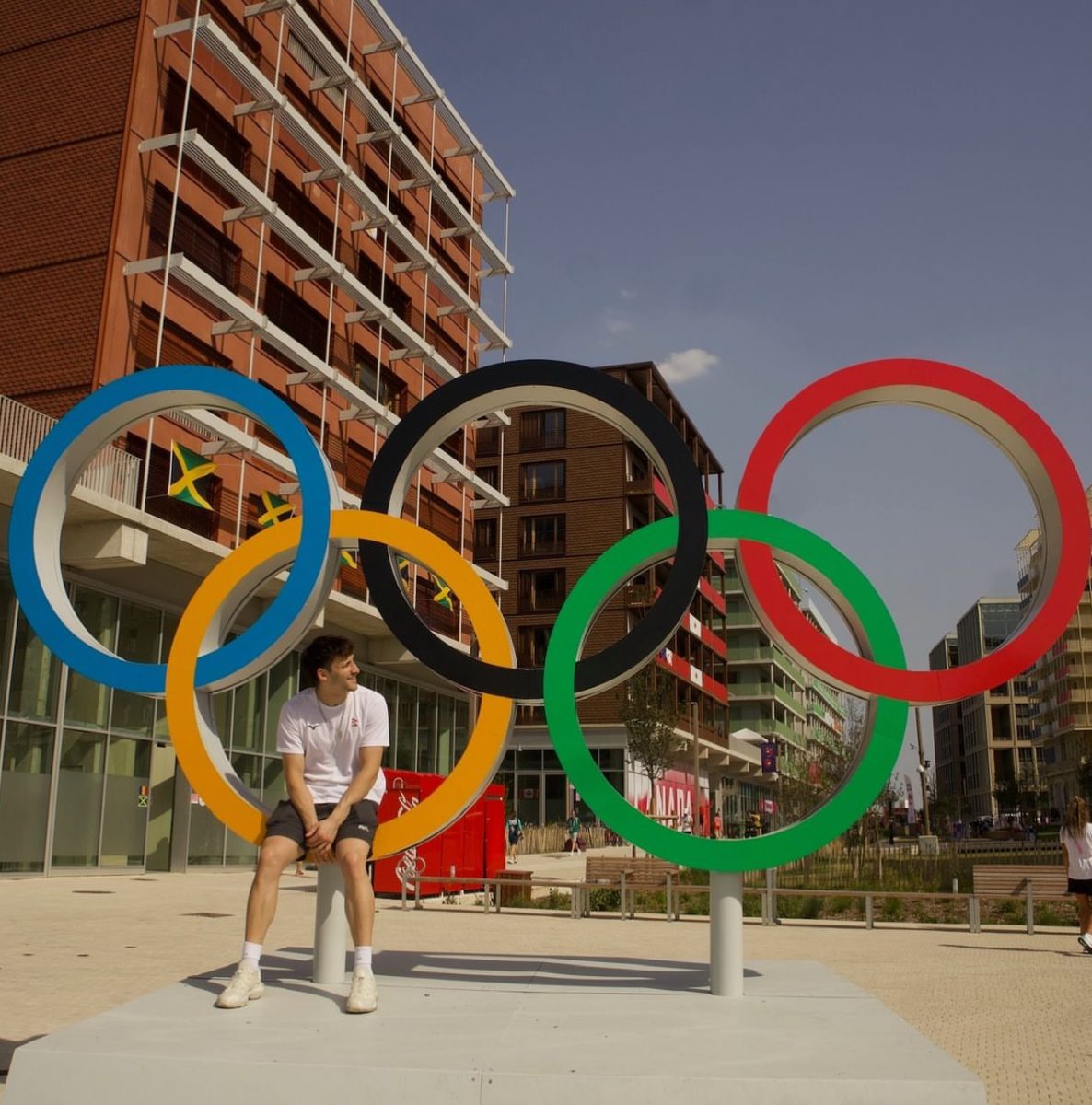
While most leagues are becoming more receptive to the drug, marijuana controversies in sports are all too common. Most notably, track star Sha’Carri Richardson was suspended after qualifying to compete in the 2021 Summer Olympics due to a positive test. Although the suspension ended prior to the games’ beginning, Richardson’s qualifying performance at the trials was annulled, leaving her unable to compete. The suspension sparked similar outrage as the Báez suspension, with fans arguing that banning marijuana isn’t justified.
An infamous marijuana-related suspension came in 2011 when Ultimate Fighting Championship star Nick Diaz failed a post-fight drug test. Diaz received a five-year suspension by the California State Athletic Commission for being under the influence of banned substances during the competition. Through an appeal, Diaz had his suspension lowered to 18 months; still, the harsh punishment derailed his rising career. Many fans cited that Diaz’s penalty was more severe than that of fighters who had tested positive for performance-enhancing steroids. The controversy is considered a landmark moment in overcoming the stigma of marijuana use in sports due to the Athletic Commission’s admission of their punishment being excessive.
In recent years, several sports leagues have softened their stances on marijuana. The NBA stopped testing for the drug altogether, and the MLB only continues testing to identify potential abuse or addiction. For this reason, Báez will not face consequences from the MLB and will be eligible to play in the upcoming season.
International sports leagues and agencies have been far slower to change their policies compared to the U.S. The World Anti-Doping Agency (WADA) oversees athlete testing for the Olympics and the FIFA World Cup. WADA’s criteria for banning a substance features three main tenets. First, if the substance has the potential to enhance performance. Second, if it poses a health risk to athletes. Third, if it violates the spirit of sport. Athletes competing in organizations that partner with WADA may only use marijuana with an approved exemption for therapeutic purposes.
WADA’s criteria has been criticized for being outdated and irrational. While it is nearly universally agreed that performance-enhancing substances should be outlawed in sports, there is no evidence that marijuana improves athletic performance. Banning substances on the grounds of health risk is an area of debate and inconsistency for WADA. The health effects of marijuana are still highly disputed. While marijuana is banned, other harmful substances such as alcohol and nicotine are permitted. However, the most questionable of the tenets is the third. Banning a substance on the basis that it violates the spirit of the sport is completely subjective. The presence of this rule calls into question how WADA evaluates which substances should be prohibited and why. Judging by the constant backlash, fans don’t seem to believe that marijuana goes against the spirit of sports.
As long as limitations on marijuana use are still in place in sports, violations and controversy will continue. With a growing number of states and countries legalizing the drug, international sports organizations are lagging behind. With cannabis use at a record high in the U.S. and globally, the next generation of athletes and fans will certainly be opposed to strict regulations. The gap between cultural norms and old organizational rules continues to widen. Despite constant calls for reform, cannabis remains a banned substance under WADA rules.