



























































































































































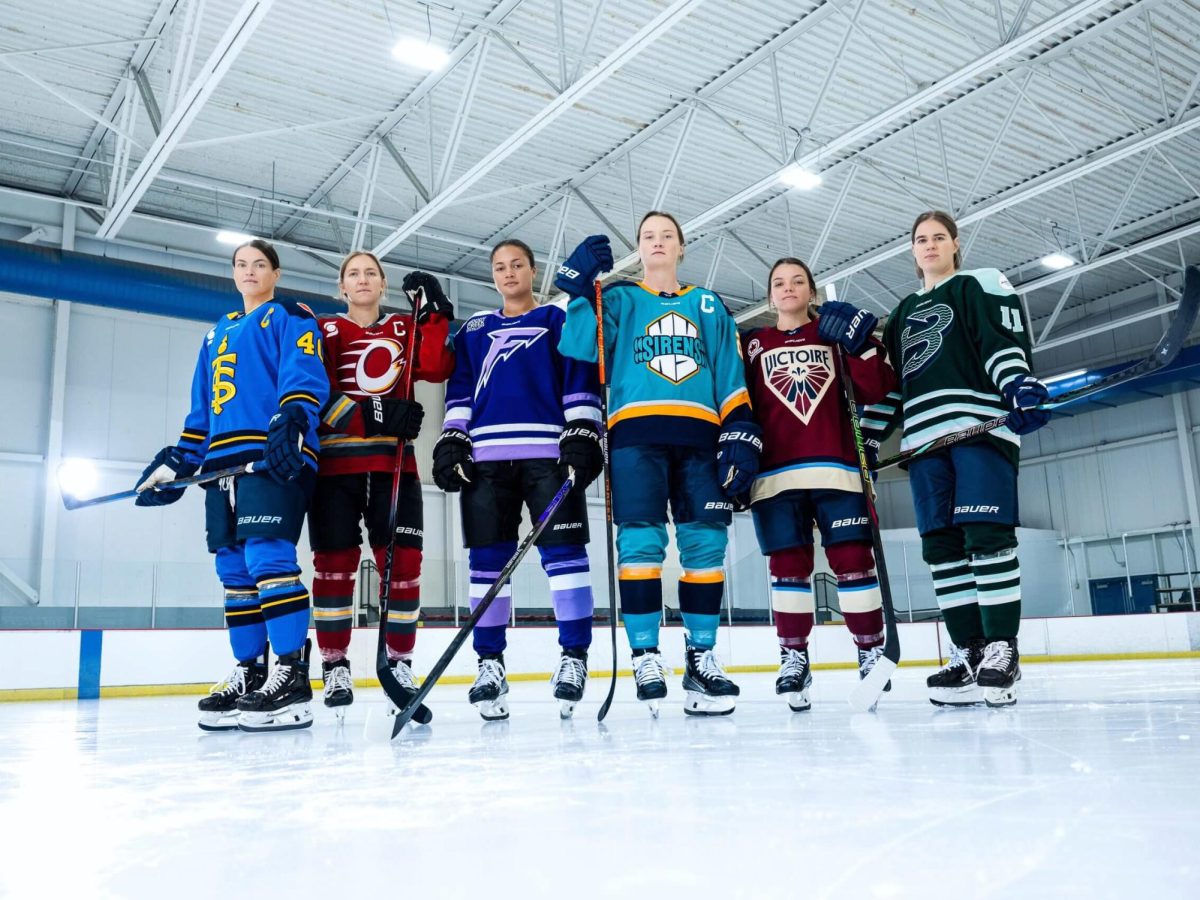
It’s not women’s hockey, it’s the new standard. Since its founding in 2023, the Professional Women’s Hockey League (PWHL) has become a regular topic of conversation in sports. The USA and Canadian women’s teams’ Olympic success has done nothing but bolster the league’s undeniable growth and expand its viewership.
The league currently comprises eight teams scattered across the U.S. and Canada, with the most recent expansion teams being the Seattle Torrent and the Vancouver Goldeneyes in 2025. In 2019, the Canadian Women’s Hockey League collapsed, leading to the creation of the PWHL, a group that advocates for players’ rights and works to create a unified professional league. With support from former professional tennis player Billie Jean King and American businessman Mark Walter, a united hockey league was underway.
The format and gameplay rules do not stray far from the hockey we have come to know. Each team plays 30 regulation games, and the top four advance to the playoffs. The teams compete for the Walter Trophy, named after the league’s financial backer. The league uses a 3-2-1-0 scoring format, where a team earns three points for a regulation win, two points for an overtime or shootout win, one point for an overtime or shootout loss and zero points for a regulation loss. This varies from the NHL’s 2-1-0 system, which receives a lot of backlash. A notable distinction from past women’s hockey leagues is the legality of body checking. Body checking is permissible in the PWHL when there is a clear intention of playing the puck or gaining possession.
The league has seen much success from the concentrated effort to prioritize viewership of the games across North America. The PWHL recently partnered with the Canadian Broadcasting Corporation, Sports Network and RDS to bring games live to Canadian hockey fans through a variety of viewership packages. In the U.S., the PWHL originally brought live games to fans through partnerships with various regional sports networks. Shortly after the inaugural season launched, the league significantly expanded its broadcasting footprint. By partnering with the free, ad-supported Women’s Sports Network, they ensured more reliable access for women’s hockey fans across the country.
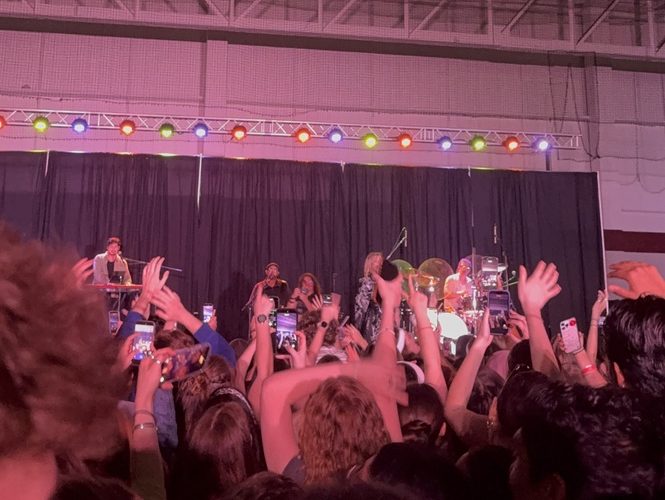
An excellent marketing strategy has been implemented as the key to growing fan bases and introducing more people to the wonderful world of professional women’s hockey: the PWHL Takeover Tour. The Takeover Tour consists of 16 regular-season games played in 11 different neutral cities across the U.S. and Canada. The tour is designed to test the market for new expansion teams and increase interest in the league.
It would be an understatement to say this has been widely successful. When traveling to these neutral cities, the tour has broken multiple attendance records for women’s hockey. The tour has gained traction by being more accessible to fans while also piquing interest through partnerships with NHL teams in the cities it visits. For example, the Detroit Red Wings host the PWHL when they come to play in their town. This is crucial for bridging the gap between the two leagues and removing any stigma that may exist.
The PHWL features players from the U.S., Canada, Czechia, Finland, Sweden, Germany, Switzerland, Russia and Italy. In the most recent Olympics in Milano Cortina, Canada’s 23 person National Team roster was composed entirely of PWHL players, while 16 members of the U.S. National Team was drawn from PWHL rosters. Roughly 61 PWHL players represented their home countries in Italy.
This league is so much more than a unified space for professional women’s hockey players to display their impressive talents and compete passionately. Seeing a women’s league receiving this level of recognition and being treated with formality is a huge step forward for women’s sports. These teams are on par with any men’s professional team and deserve the same level of recognition and support.
Growing up in sports, there was only one women’s team that received significant media attention: the U.S. Women’s National Soccer Team. They mostly made the news for their conversations around the fight for equal pay in sports. Seeing a league of the PWHL’s caliber flourish and gain considerable attention is immeasurably critical for the next generation of female athletes. The PWHL is not simply a women’s league, but a premier professional sports entity that will continue to expand, no matter the protests.