










































































































































Fordham University’s Office of Prevention and Support collaborated with the National Harm Reduction Coalition (NHRC) to host a NARCAN training event.
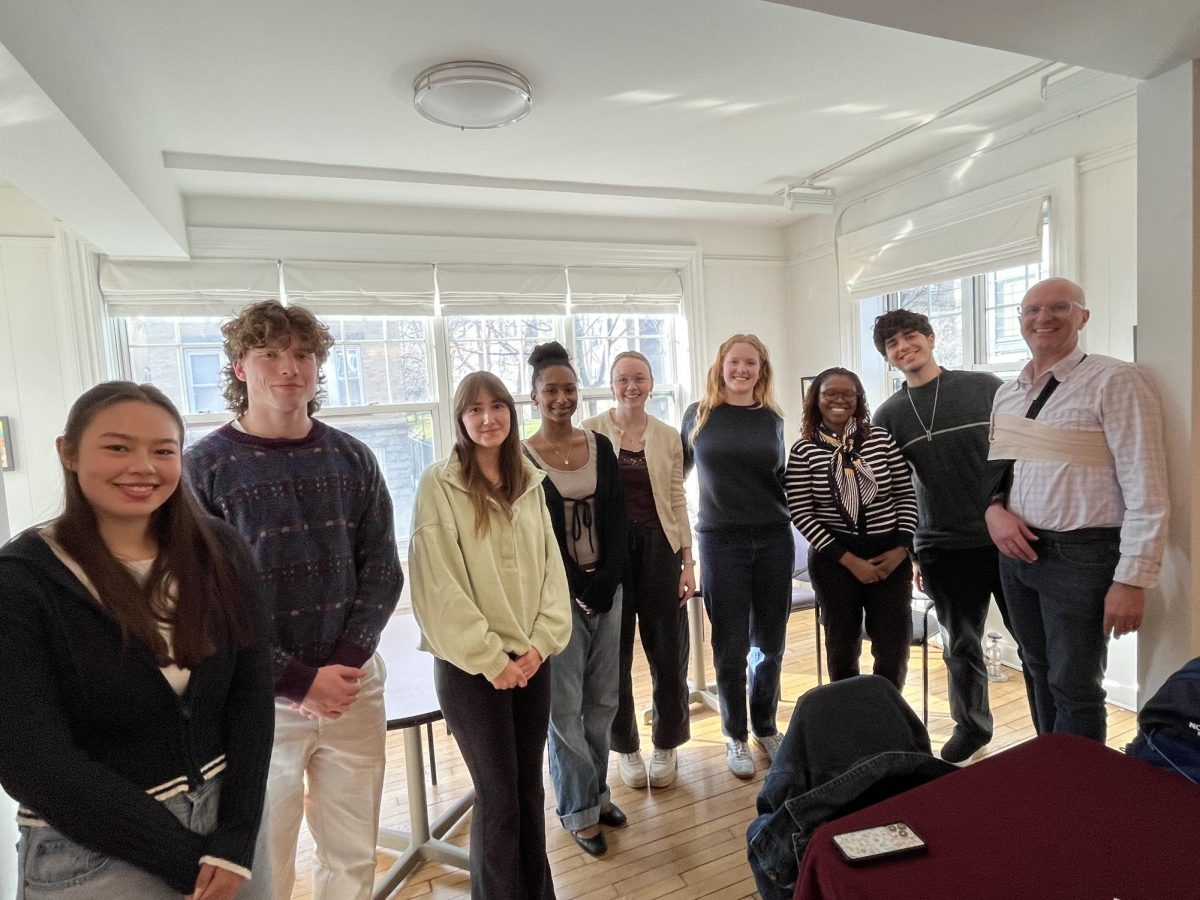
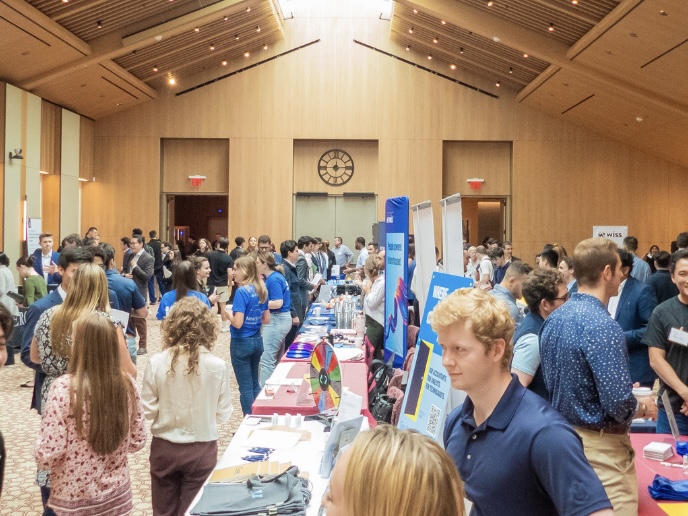
On Thursday, April 16, students gathered in the Campbell Multipurpose Room over free chicken sandwiches, water and other food for a presentation from Harmony Seaburg, the national program coordinator of the NHRC.
The presentation covered how to effectively use NARCAN when it is necessary to use the medication and its effects. Harmony detailed that, in a potential overdose situation, three steps must be taken before using NARCAN.
The first step she outlined is verbal stimulation, or simply asking if the person in question needs help. Then, one must seek out physical stimulation to see if the person in crisis responds. If neither of these steps works, then Seaburg instructed attendees to inform the person in question that they will receive NARCAN, which she referred to as “verbal NARCAN.”
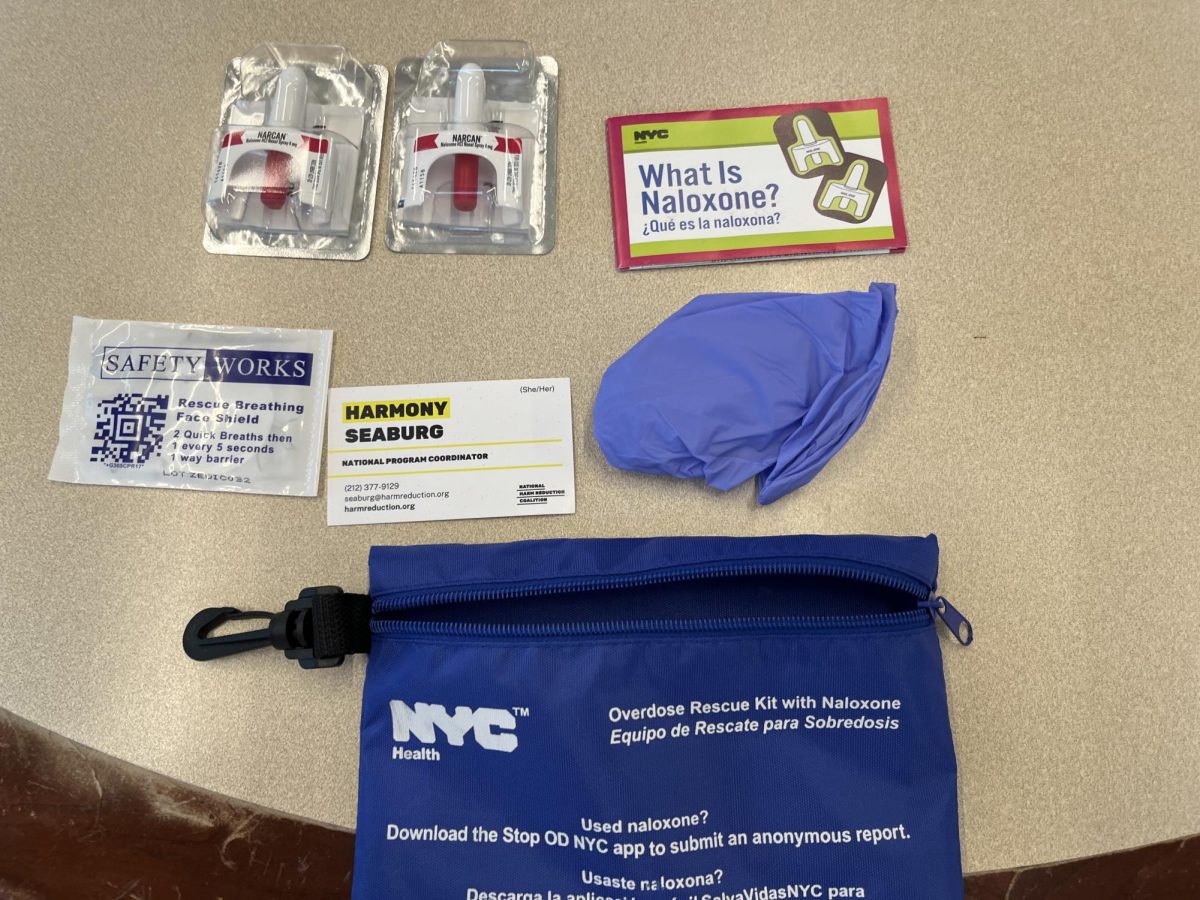
After outlining these essential steps, Seaburg laid out the best and safest practices for NARCAN use. She demonstrated how NARCAN nasal spray looks and operates. Attendees were each given a medical kit free of charge, which included a NARCAN spray, medical gloves, instructional guides, a rescue breathing face shield and other medical items. Students could also take fentanyl testing strips for free.
Seaburg suggested administering the NARCAN nasal spray every three minutes during an overdose, using a timer to measure the time in between each spray. She also stressed the importance of calling emergency services and administering rescue breaths.
While NARCAN can save lives, it can also result in something defined as “dope sick,” which can lead to vomiting, cold sweats, headaches and other afflictions.
The event on NARCAN training occurred at a relatively high point in the history of New York City’s overdose deaths. According to the New York City Department of Health and Mental Hygiene, overdose deaths have risen every year between 2015 and 2023.
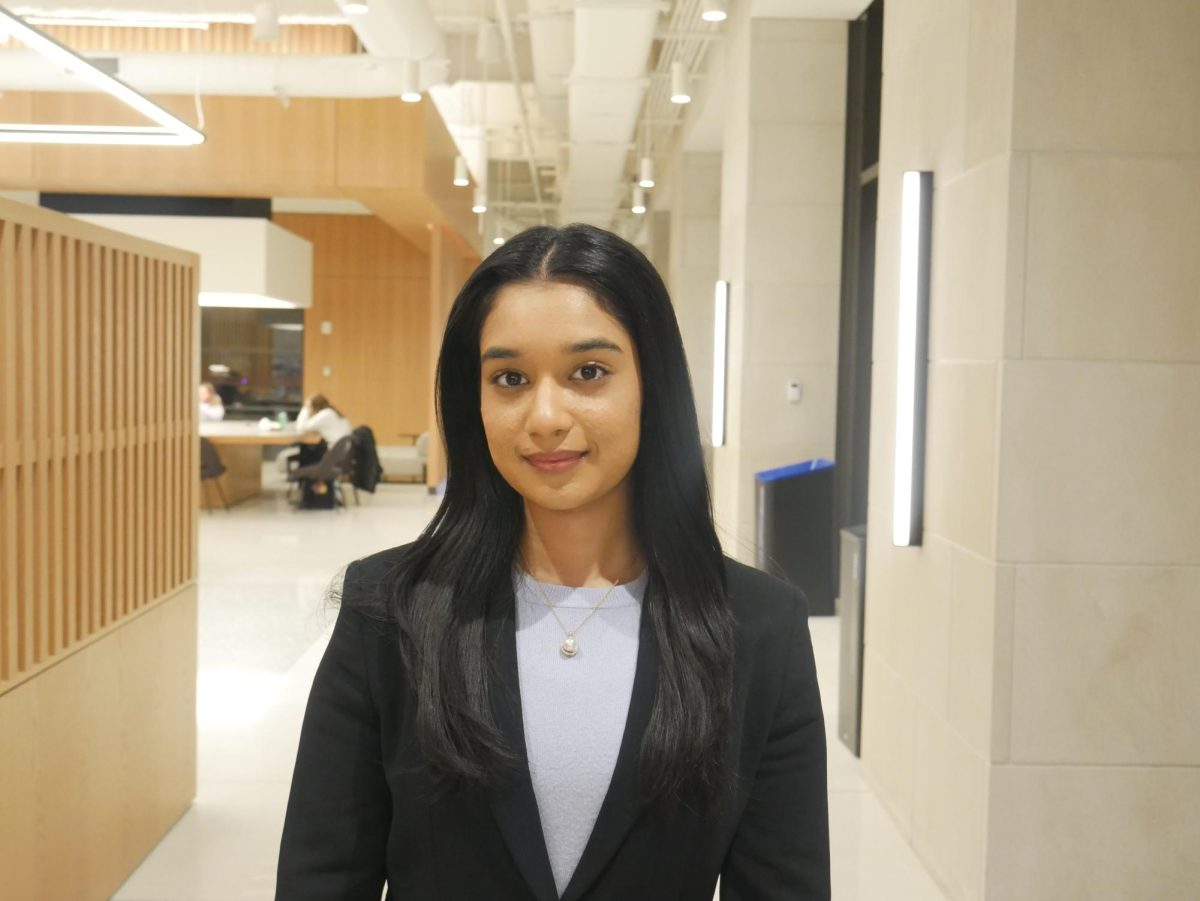
Brooklin Warner, FCRH ’28, attended the event out of a desire to gain new medical skills.
“I wanted to expand my skills,” Warner said. “Starting with NARCAN, or just starting anywhere, was a great way to start.”
Warner also emphasized the importance of events that teach medical skills.
“I think that it’s one of those things that’s very important to learn just in case something happens because life is so precious,” she said. “Being able to prevent someone from overdosing and passing away, it’s a great thing to learn.”
In addition to NARCAN training, the event covered other medical topics. For instance, Seaburg shared New York City’s Never Use Alone hotline, which has allowed individuals engaging in drug use to talk to an official on the phone. Seaburg also walked through using the fentanyl test strips, which also come with explanations on the packaging.
Additionally, Seaburg explained that Good Samaritan laws in New York protect against A2 felony offenses, which include anything under eight ounces of a controlled substance or sharing drugs. However, it does not protect against A1 felonies of a controlled substance, which include eight ounces or more.
Warner encouraged all students to attend similar medical training events in the future.
“I would say don’t be scared … it’s just a good skillset to have,” Warner said. “Even if you aren’t pursuing medicine, that doesn’t mean that you won’t encounter people or friends or family who are dealing with substances and are having a hard time or may have an incident. I don’t think it’s totally right to say, ‘Oh, I’m not in the medicine field; I shouldn’t know about this.’”