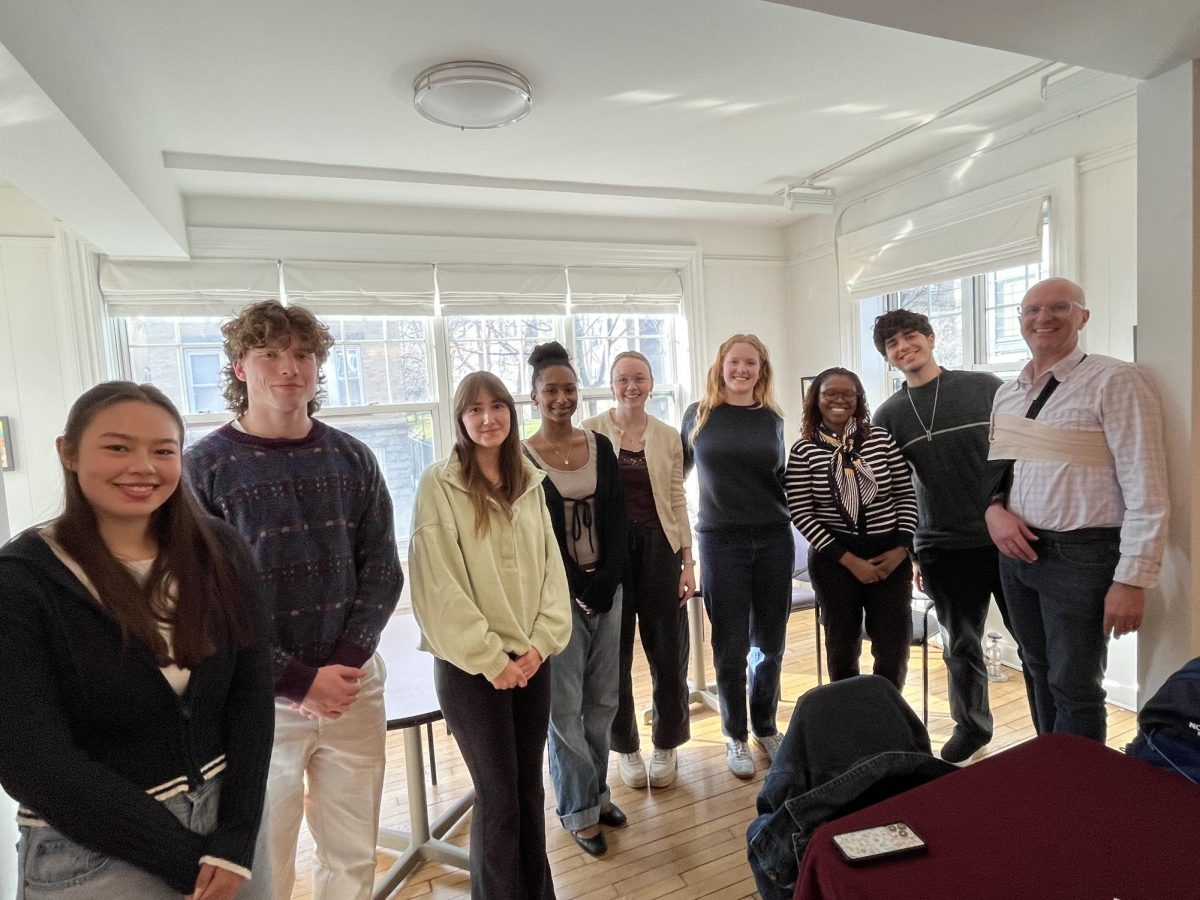


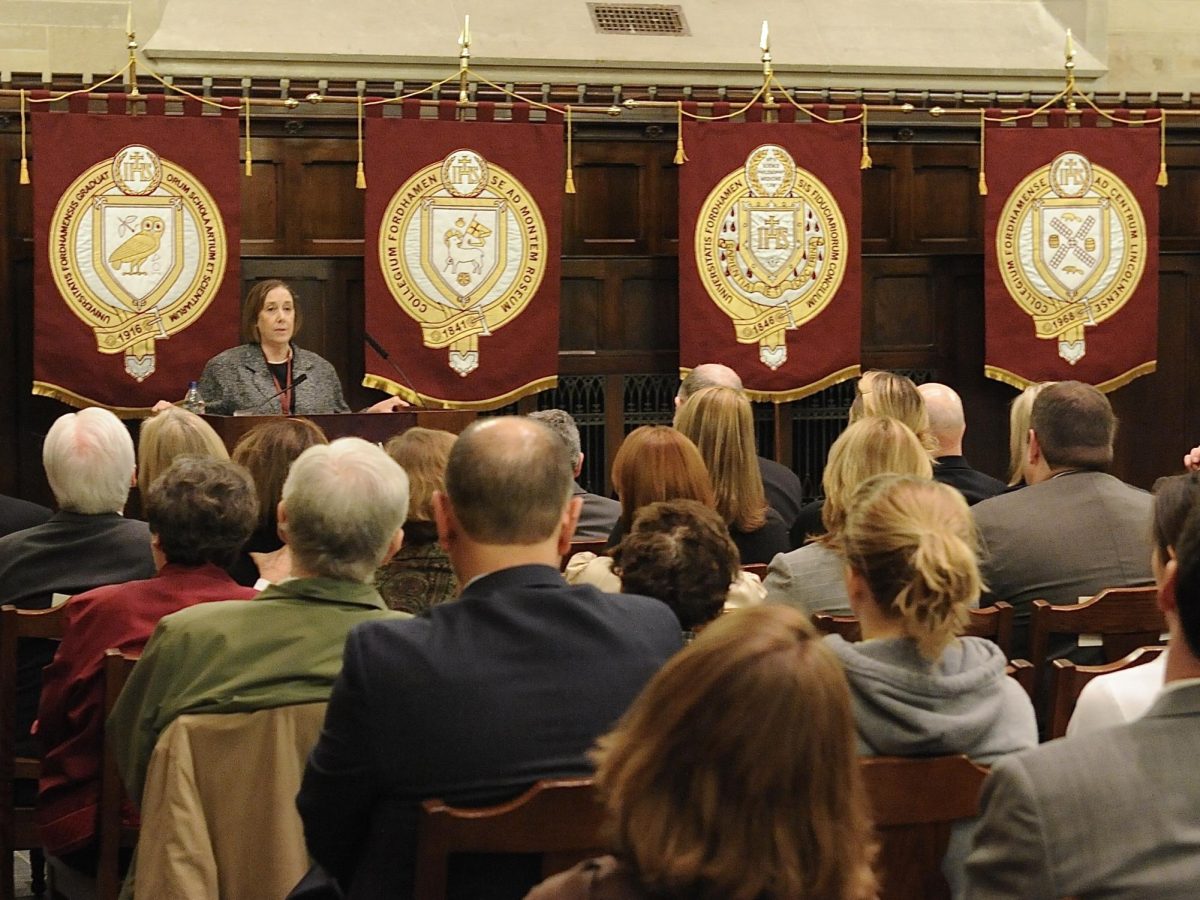






























































































































Fordham University’s Research Consortium on Disability (RCD) hosted their 10th annual Distinguished Lecture on April 15. Each year, RCD prepares a new topic for discussion; this year’s lecture topic focused on disability in the university.
The event was organized by RCD co-director Bligh Somma, Ph.D., with the goal of spreading awareness of current research work in disability studies and giving people an avenue of engaging with those researchers.
“The lectures support research from those outside of Fordham, and so it’s a moment of connection between Fordham’s own disability-related research community and the broader community,” Somma said. “But it’s also important because it gives many others an opportunity to see and to learn about the field, its participants and its core concepts.”
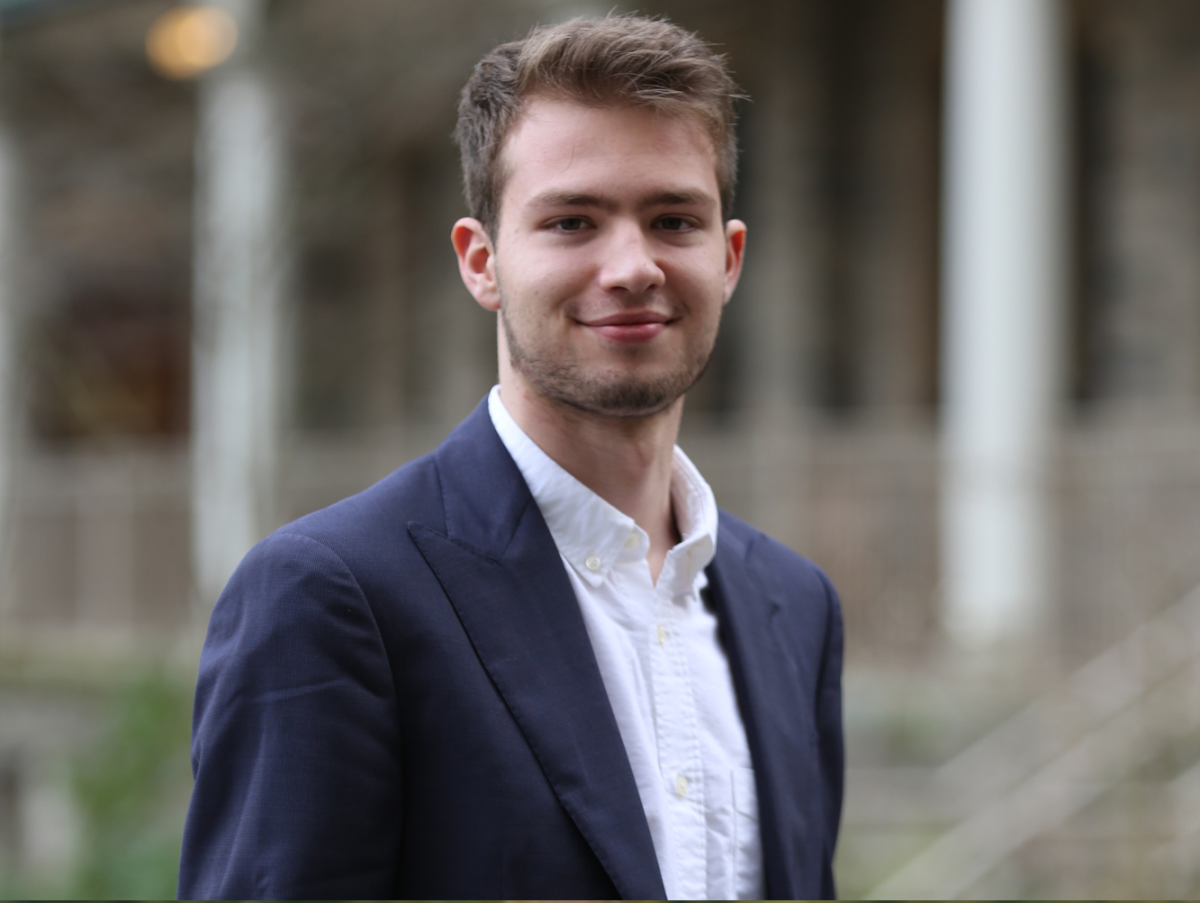
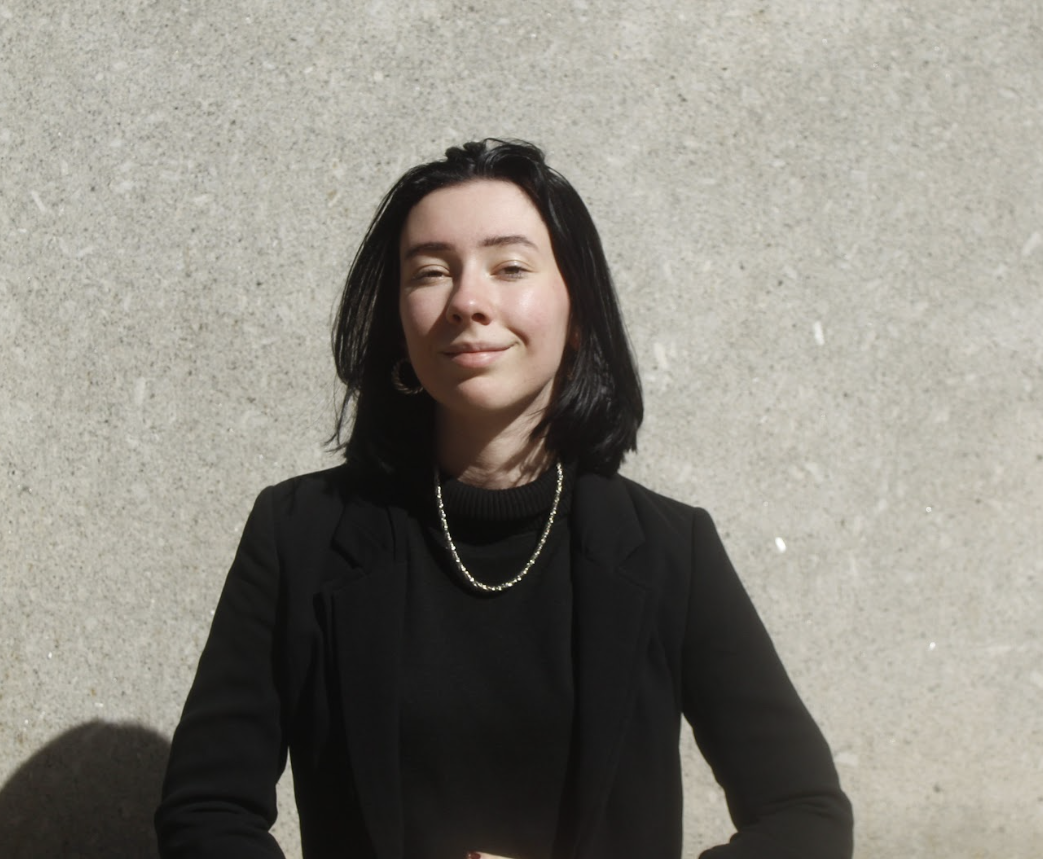
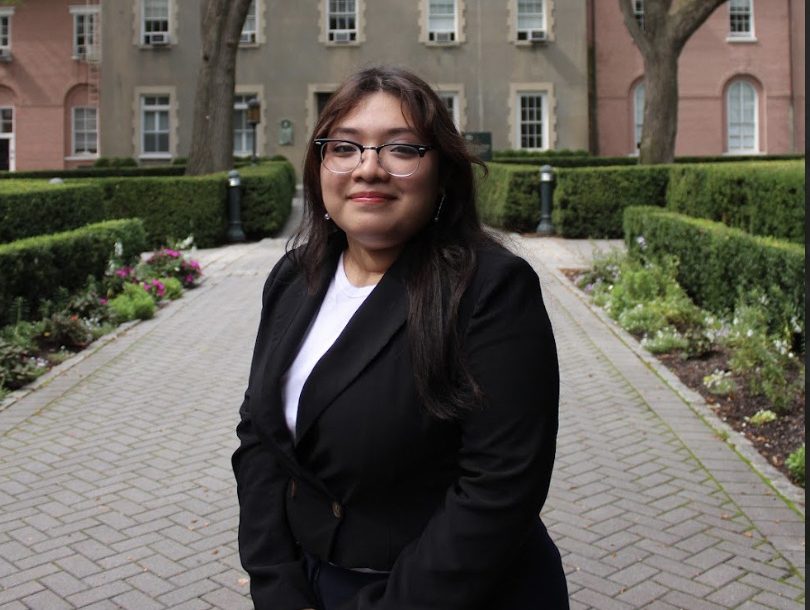
The featured lecturers for this event were Kevin Gotkin, Ph.D., of New York University (NYU), and Capria Berry, a Ph.D. student at NYU, who were invited as part of RCD’s mission to showcase the work of key figures within the disability research community.
Gotkin’s lecture was centered on disability justice. One of his main points of emphasis was the importance of including people with disabilities in the development of new theories surrounding the topic, and keeping the field of disability studies true to its activist roots.
He noted that the discussion of disability justice is central to the academic field of disability studies, and a topic of concern is when these fields eventually fade into an insignificant operation of academia rather than an active force of social improvement, citing Robert McRuer on the danger of the possibility of academic stagnation.
“He [McRuer] wondered what time does to academic fields that burst onto the scene to resist normativity and then … become one of the normal aspects of study in the humanities,” Gotkin said. “He flipped the script, ‘If we live long enough, we all become disabled,’ could it be true that if [disability studies] lives long enough, it becomes normate?”
Berry’s lecture, on the other hand, was about accessibility for student development.
“Our institution cannot be so rigid that we are not open to change,” Berry said.
One vector for improving accessibility within an academic space, according to Berry, is actually listening to students, such that the input and activities of students actually exert a lasting impact upon both the space and institution.
“[It] gets us to a place where we are moving past the question of what we can do to help a student fit in here,” Berry said. “It’s how can we change to meet the needs of our students and also support them in their own growth and development and what they wanna do? It’s not all about what institutions want to impart upon the student.”
Near the end of Berry’s presentation, they discussed that change can happen through campus advocacy.
“We are seeing disability protections weekened country-wide in terms of legislation, oversight and research funding, all of which impacts people here at Fordham,” Somma said. “Disability research really needs our support right now, even more than usual … Regardless of whether a student is disabled, we all benefit from an equitable world.”