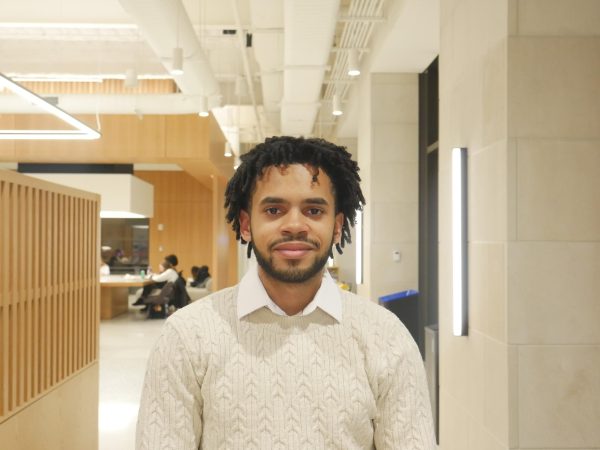


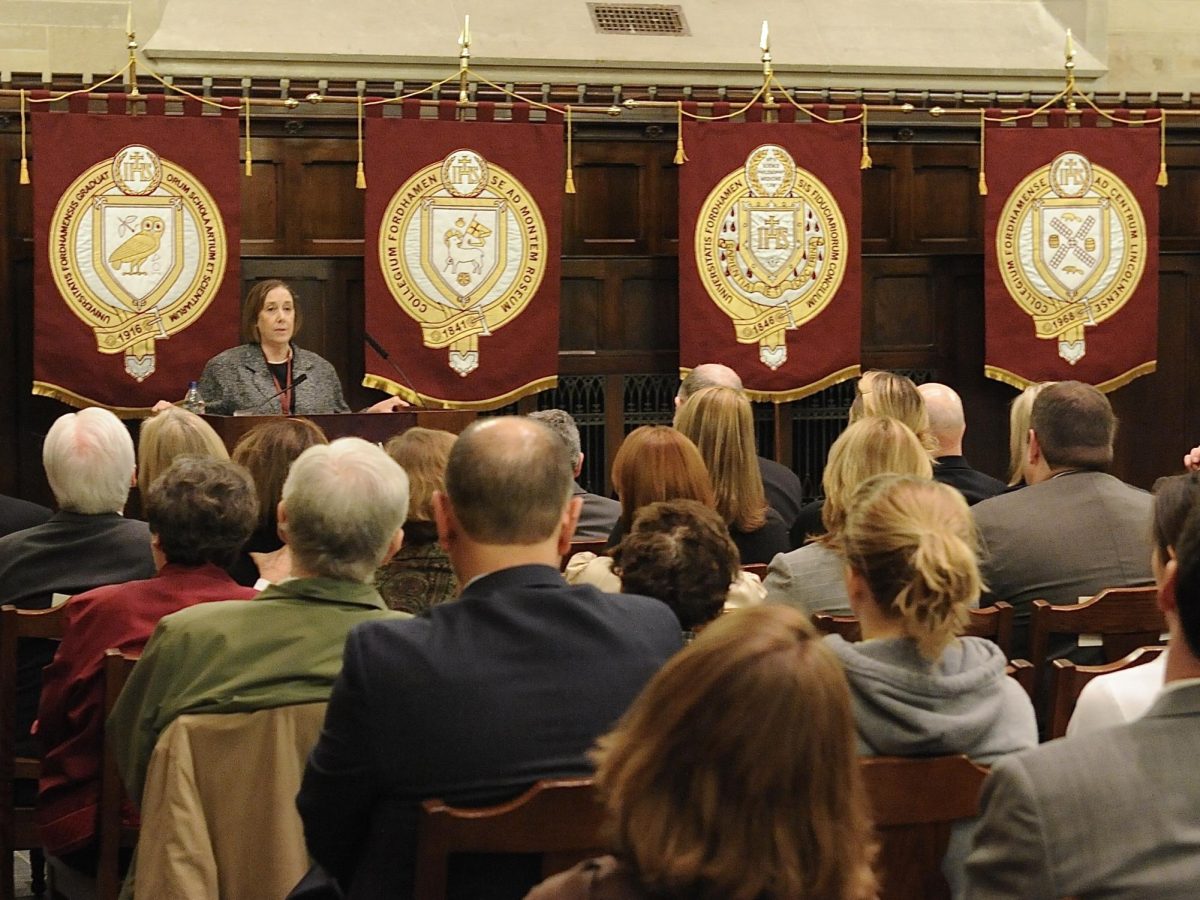

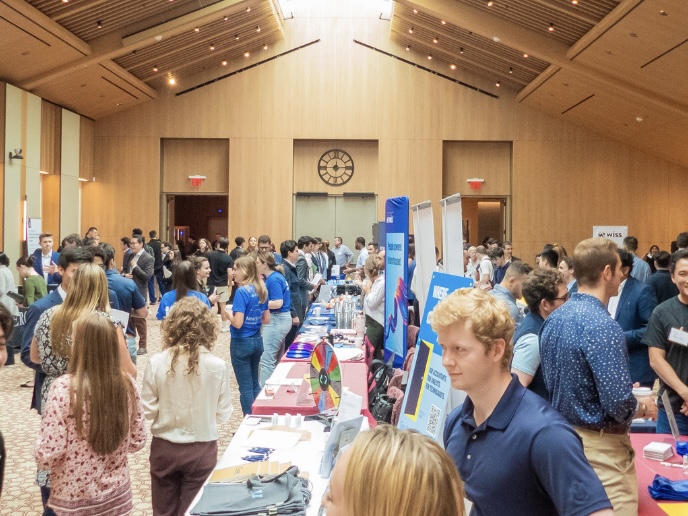
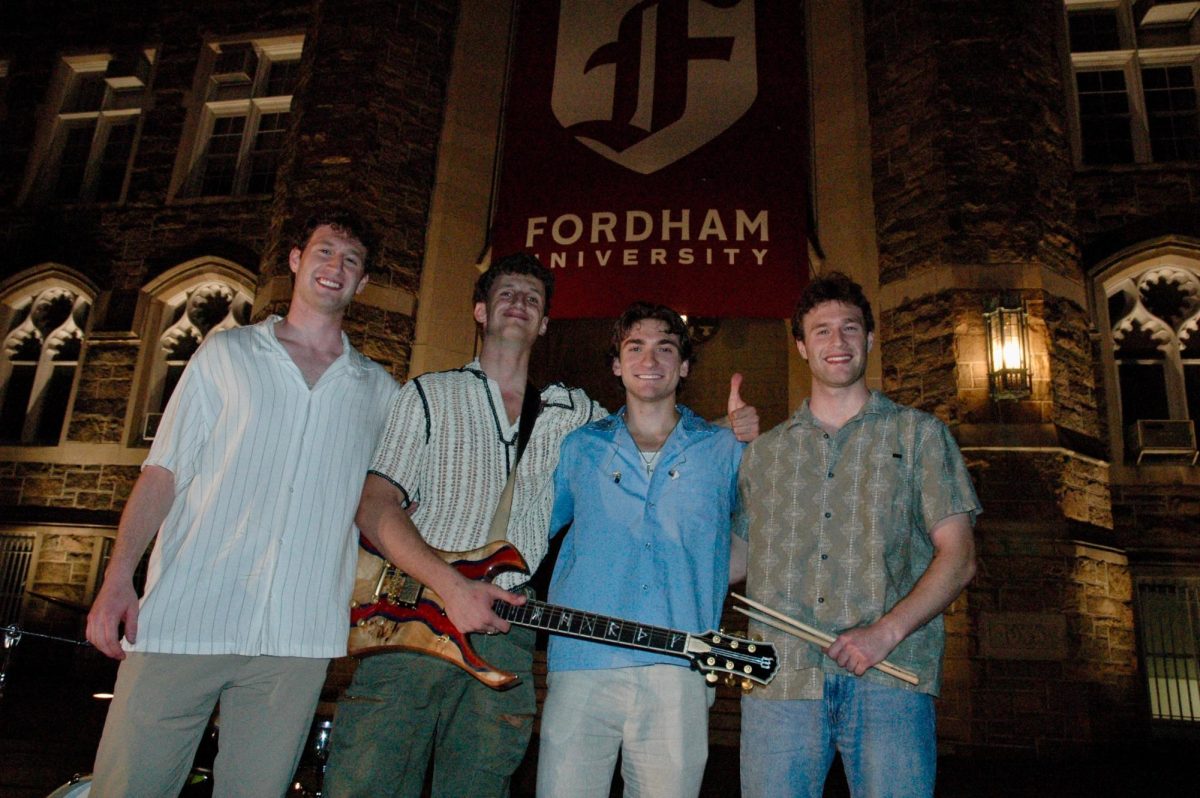


















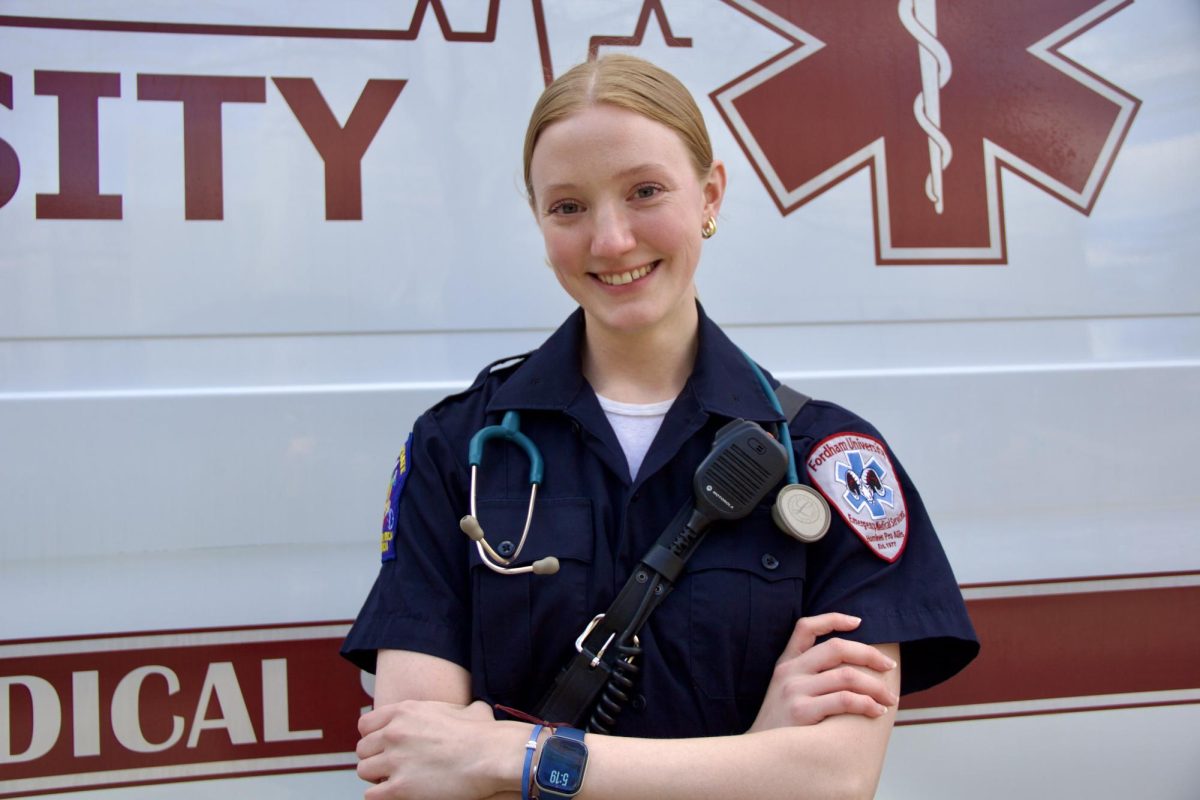
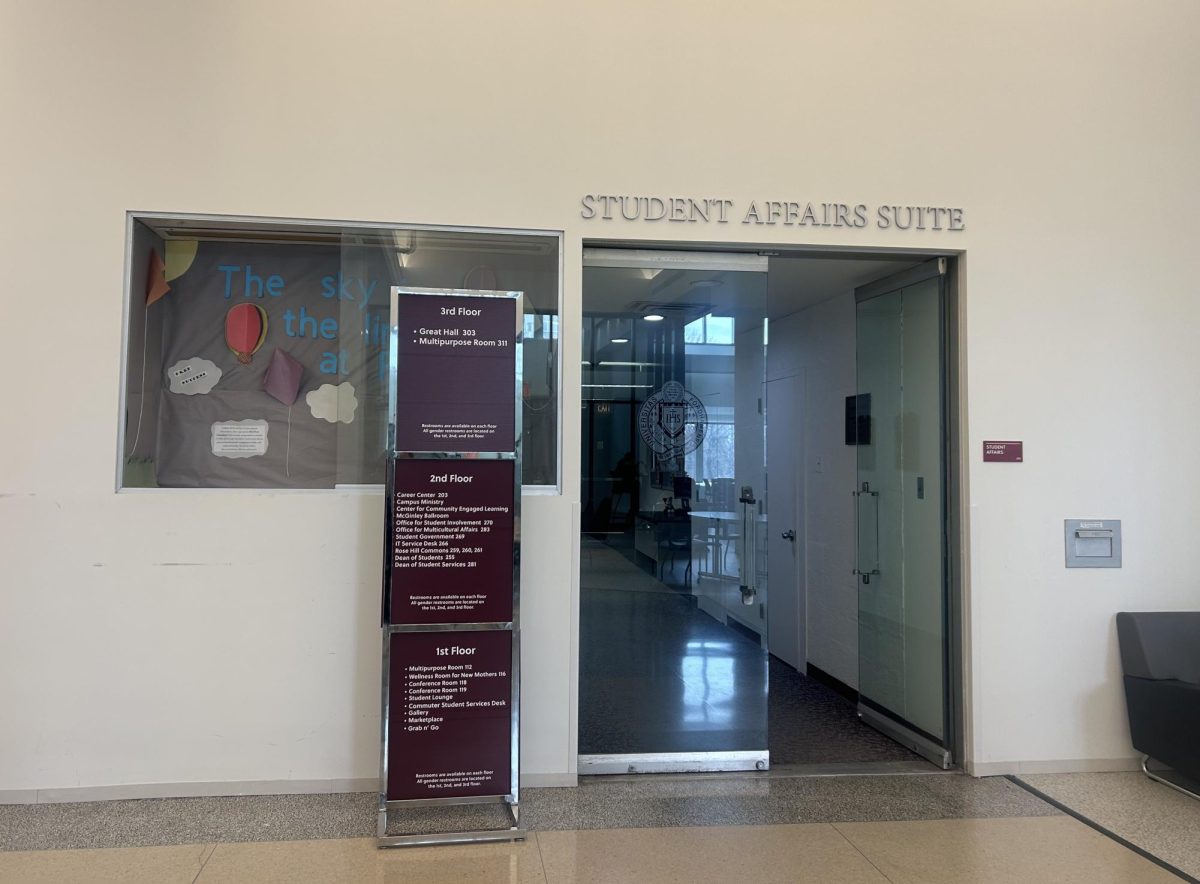














































































































The Critical Health+Social Ecology Lab held its first-ever Food x Housing conference on Saturday, April 18. It was organized by associate professor of psychology Shellae Versey, Ph.D., and Henry Obispo, leader at ReBORN Farms in food activism and food sovereignty. The conference had two sessions: the first one centered around discussions on how New Yorkers can achieve food sovereignty, and the second examined housing justice and held a film screening.
To open up the conference, Versey presented her Black Farms Project, which highlighted how oppressive social systems and practices, such as food deserts and local retail buying fruits and vegetables in bulk, restrict food access to lower-income people of color. To combat inaccessible food, she said that Black farmers are needed and should be properly supported, as they understand the needs of the people in these lower-income communities.
While Versey acknowledged that getting more Black farmers will take time, she suggested that people should grow food in their homes, which will allow people to take action on the food they are consuming. In an email to The Ram, Versey detailed the importance of this event to the Fordham student body.
“[The event helps] to raise awareness about conditions and systems that impact everyday New Yorkers … Housing instability is at an all-time high in the city, and across the US, nearly 20% of college students experience food insecurity,” she said. “These rates are typically higher for Black and Brown students.”
The next aspect of the conference was a presentation on AgriShare, an app and website platform where users can find local farms and growing spaces in New York City. It was developed by Angela C. B. Trude, assistant professor and director of New York University’s Food and Nutrition Ph.D. Program, Ciara Sidell and Will Thompson. During the demonstration, audience members used the app and tested its features such as the map filter, entering data on new farming areas and customizable avatars.
Obispo then took charge of the following section of the conference, holding a discussion with local activists surrounding the challenges they face regarding food sovereignty.
“Coming from the Caribbean, you can see that we’re very land-rich and natural resource-rich,” Obispo said in his opening remarks at the panel. “There’s this idea of land-rich and cash-poor, we’ve been fooled that the land actually isn’t that rich … Food sovereignty asks us ‘who controls the land? Who controls the production? Who controls the distribution?’”
The featured panelists included Eloísa Trinidad from the Chili on Wheels Project and Jenna Rice from the Corbin Hill Project. Rice and Trinidad were asked how to identify communities in which people don’t have control over their food. Trinidad said it is the lack of choice people had in the food they eat; Rice responded similarly that retailers buy in bulk due to it being cheaper and lower quality.
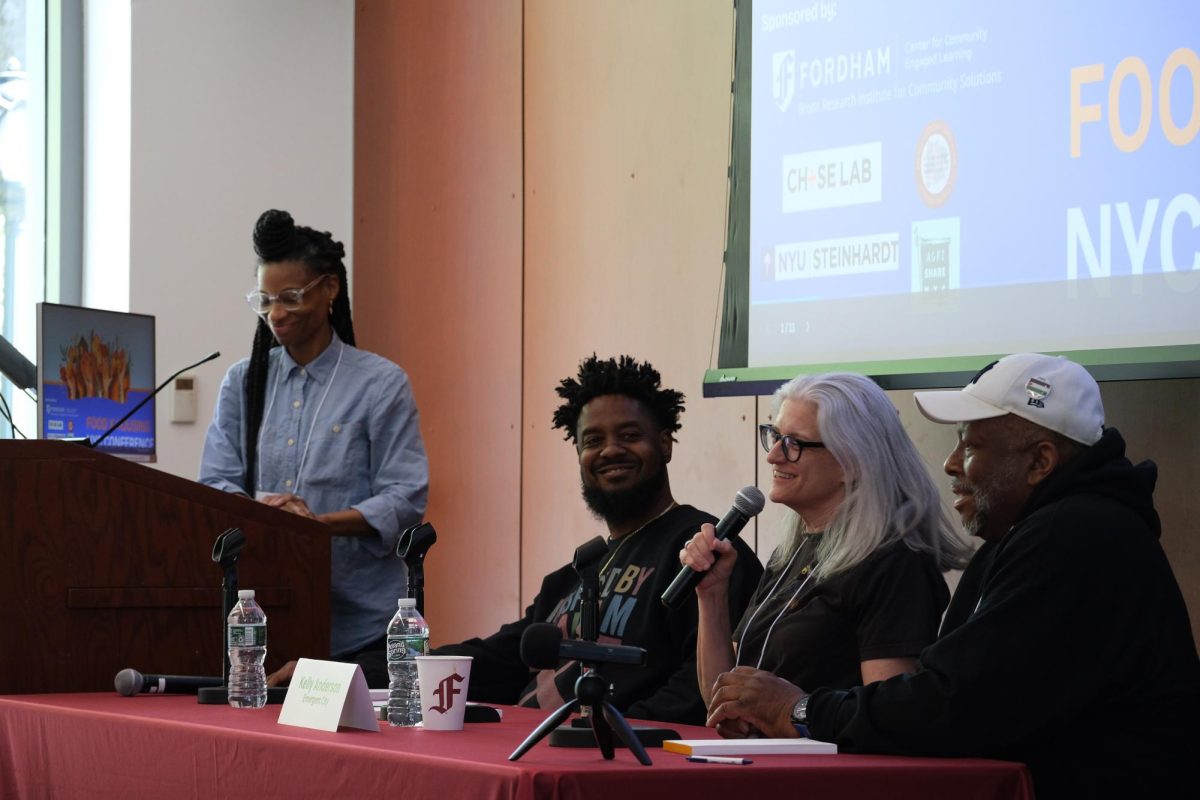
The second half of the conference commenced with a screening of “Emergent City,” directed by Kelly Anderson, a film and media studies professor at Hunter College. The documentary explored how residents of Sunset Park, a neighborhood with a history of environmental racism, faced rising rents and what that meant for the neighborhood moving forward.
After the screening, Anderson hosted a “talk-back” with Michael Partis, executive director of the Red Hook Initiative and Rob Robinson, adjunct professor of urbanism in the Design and Urban Ecology program at Parsons School of Design at the New School. The talk-back explored ideas of housing justice and food sovereignty, and their intersections.
Robinson drew on the power of local governance to combat food sovereignty and housing justice.
“When we organize our local governments, to state to federal governments and let them know governments must abide by the Universal Declaration of Human Rights, the founding document of the United Nations, which Eleanor Roosevelt helped draft,” he said. “It has been a strong ground-up grassroots movement to make this movement happen.”
Partis also emphasized the great importance of grassroots organizing and ensuring your day-to-day service workers are on board with organizing for better housing and food security.
The event ended with Versey thanking the audience for coming to the event and briefly recapping the mission.
“To bring together [such] a diverse audience — tenant organizers, urban growers, researchers, filmmakers, policy practitioners and people with lived experiences to connect the dots of inequality,” Versey said. “This intentional diversification of the audience is necessary since the solutions, like the problems, are connected.”