

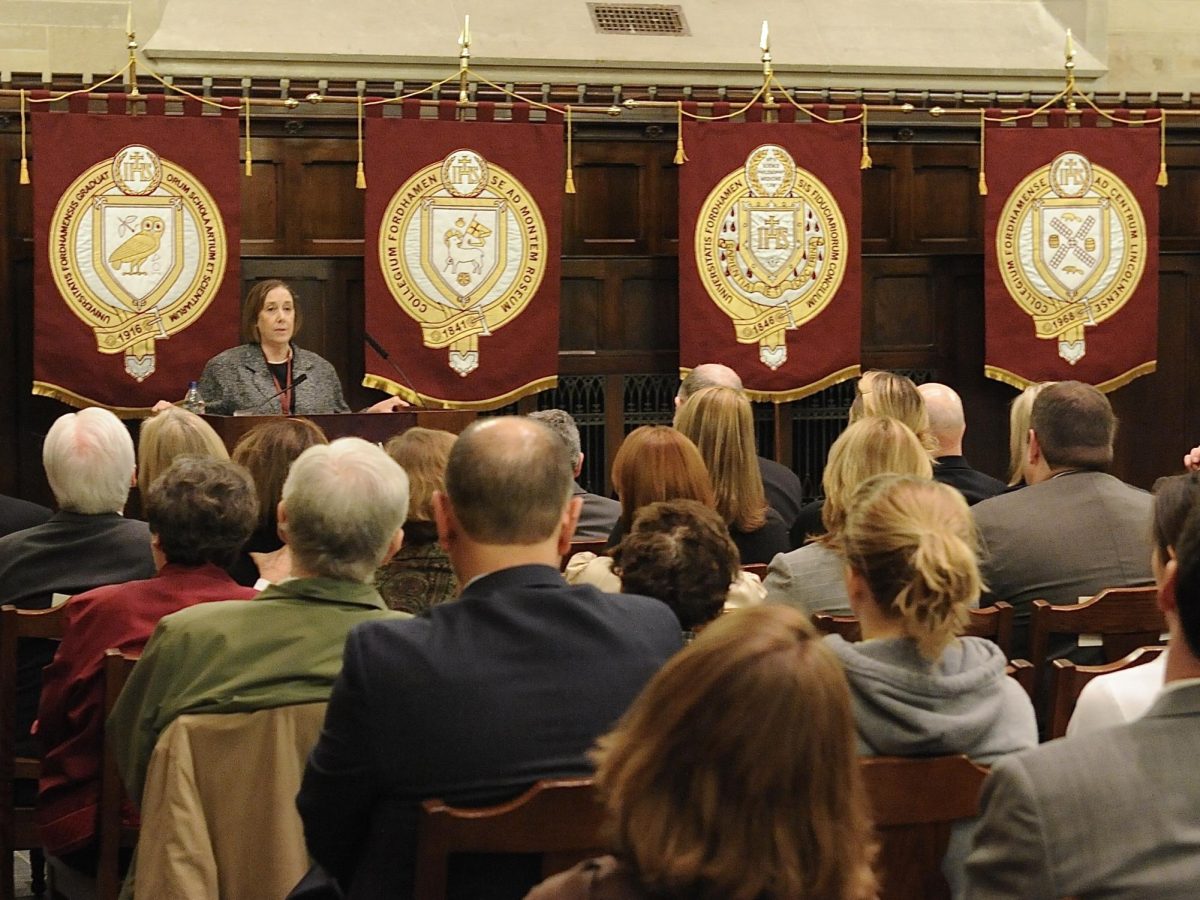

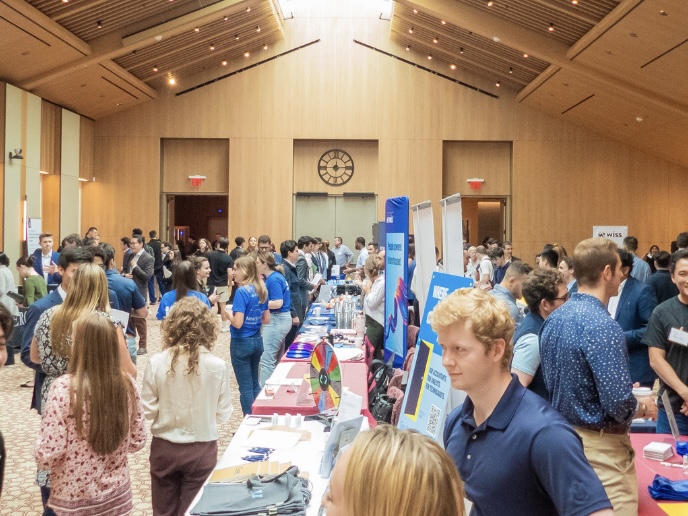











































































































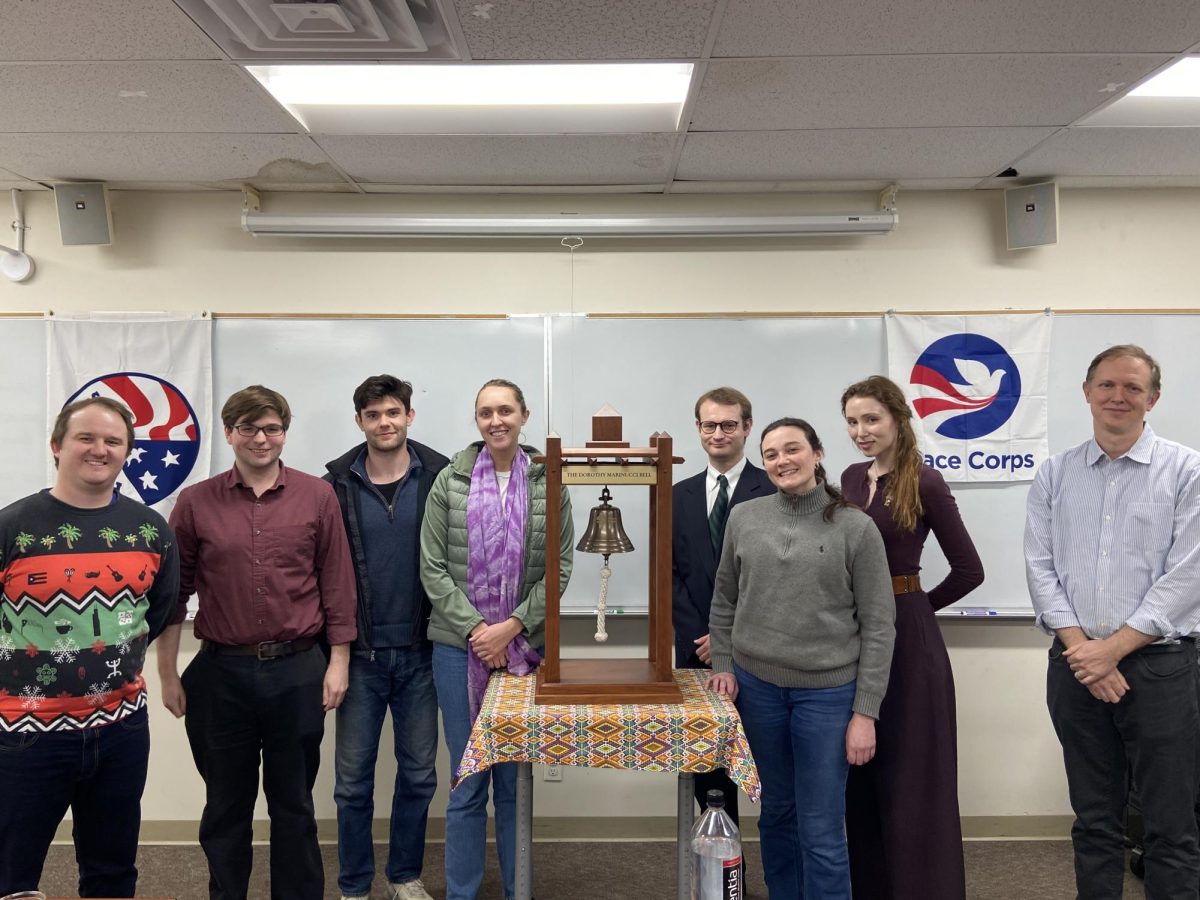
On March 5, Fordham’s international political economy and development department (IPED) program hosted a lecture which featured certain returned Peace Corps volunteers who discussed their experiences giving back to communities abroad, along with opportunities available to students.
The event was part of IPED’s regular lecture series, which hosts a weekly lecture focusing on a variety of topics. This event coincided with Peace Corps Week and marked the 65th anniversary of the Peace Corps organization. Organizers Donna Odra, Ph.D., associate director for IPED, and Jet Pacapac, GSAS ’27, said the lecture was intended to introduce undergraduate students to the program and show them what service abroad is like.
“It’s really to promote the Peace Corps to the undergrads,” Odra said. “Over the years, especially during COVID, they had to close down, and now they’re trying to ramp up operations, and I think this is a good time to promote [the] Peace Corps, to explore it as an alternative option after graduating from Fordham.”
The Peace Corps is a two-year service program where volunteers travel to a foreign environment in the world and complete a service. It is open to all United States citizens and includes certain benefits upon completion.
According to Pacapac, this was the first time the weekly lecture series was dedicated specifically to the Peace Corps. According to Odra, this is the first step towards bringing Fordham back to its ranking as one of the top feeder schools for the Peace Corps.
“We don’t really have an in-house Peace Corps program for undergrads here in terms of recruitment,” Odra said. There are less people working in the Northeast recruitment office, and Fordham is trying to help, said Odra.
The lecture focused on several former Peace Corps volunteers who are now students studying in Fordham’s graduate IPED program, as well as faculty who previously served in the organization. They told stories from their time volunteering and also discussed how their experiences shaped their paths.
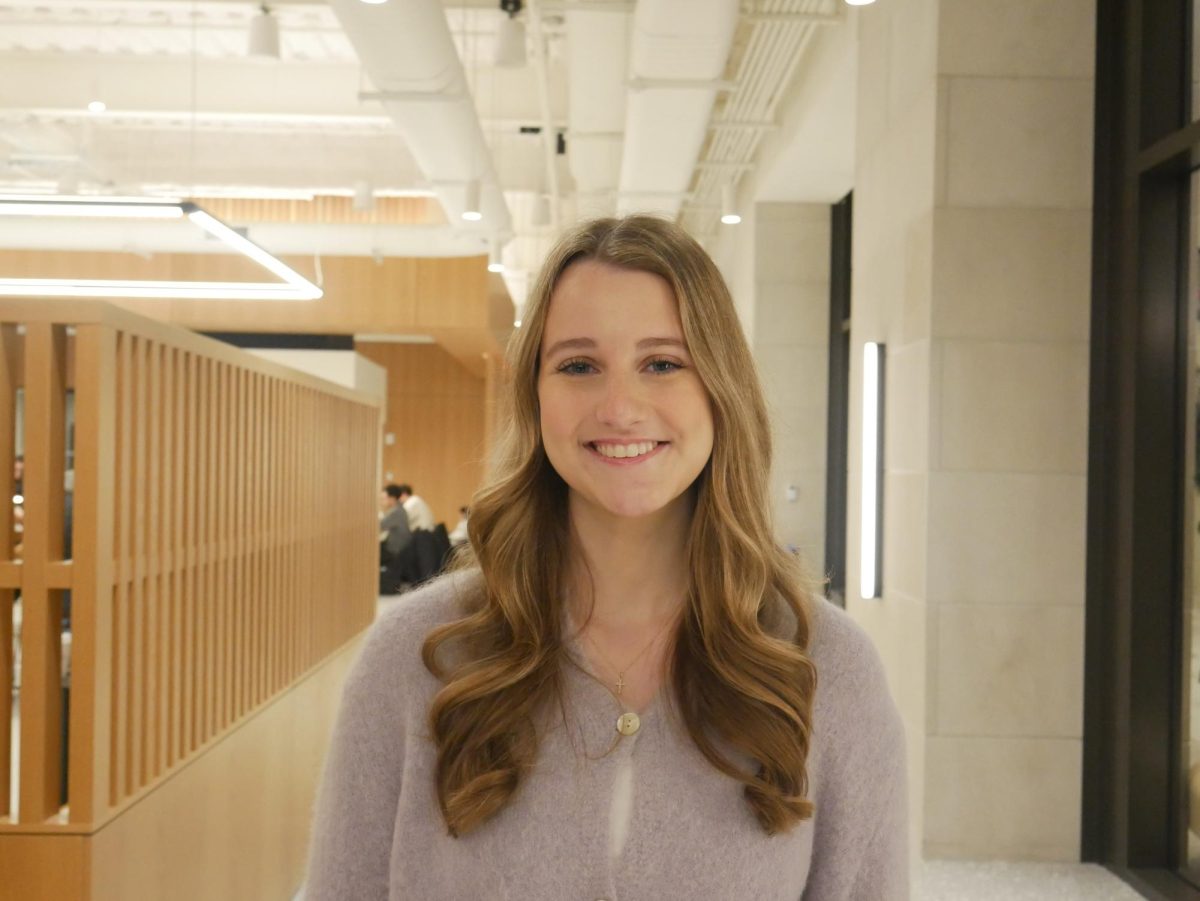
“From the moment I stepped foot in Navut, she was … she was my mom,” said Sydney Clapham, a returned Peace Corps volunteer from Fiji. Clapham was talking about the woman she helped to grow her clothing business.
“Now she’s got this thriving business, and it continues to grow and grow, and I’m so, so thankful that I got to be a part of building that,” Clapham said.
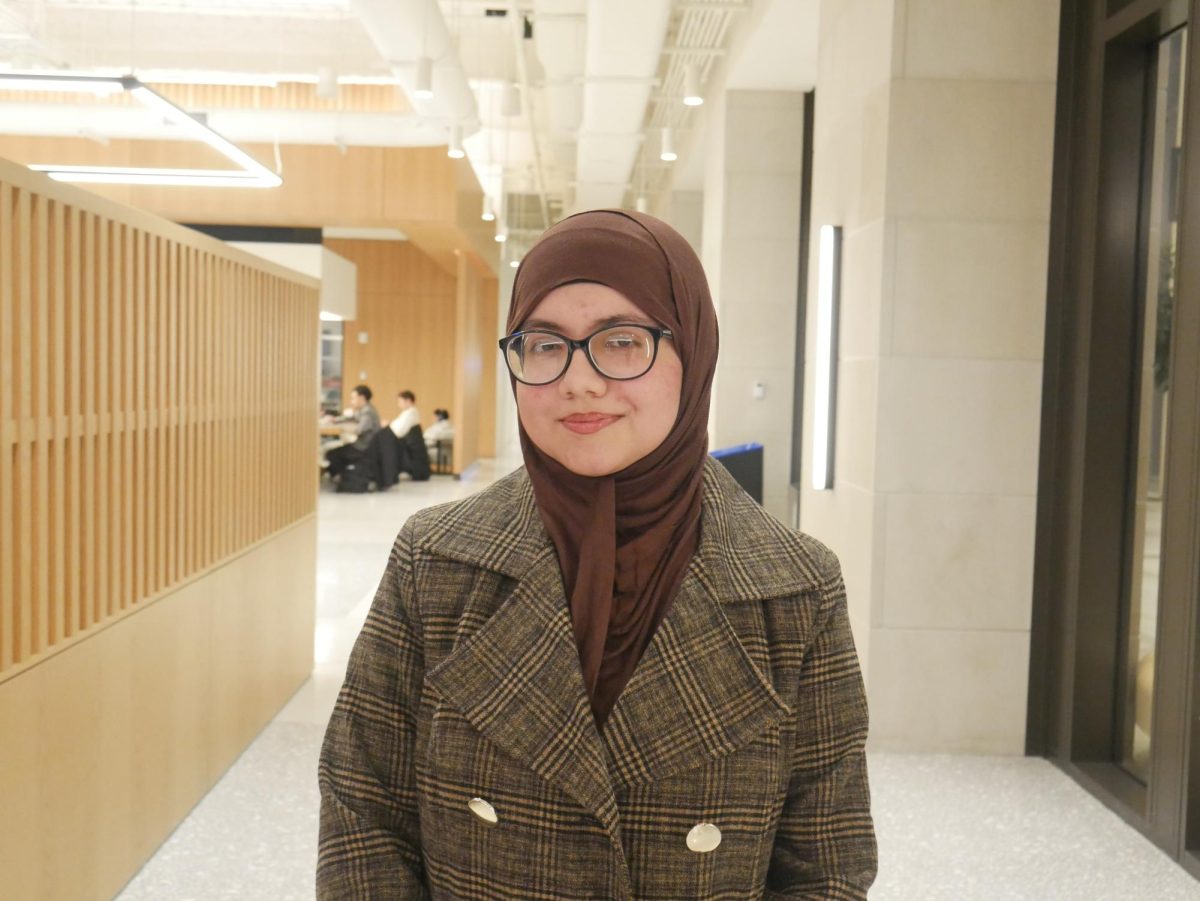
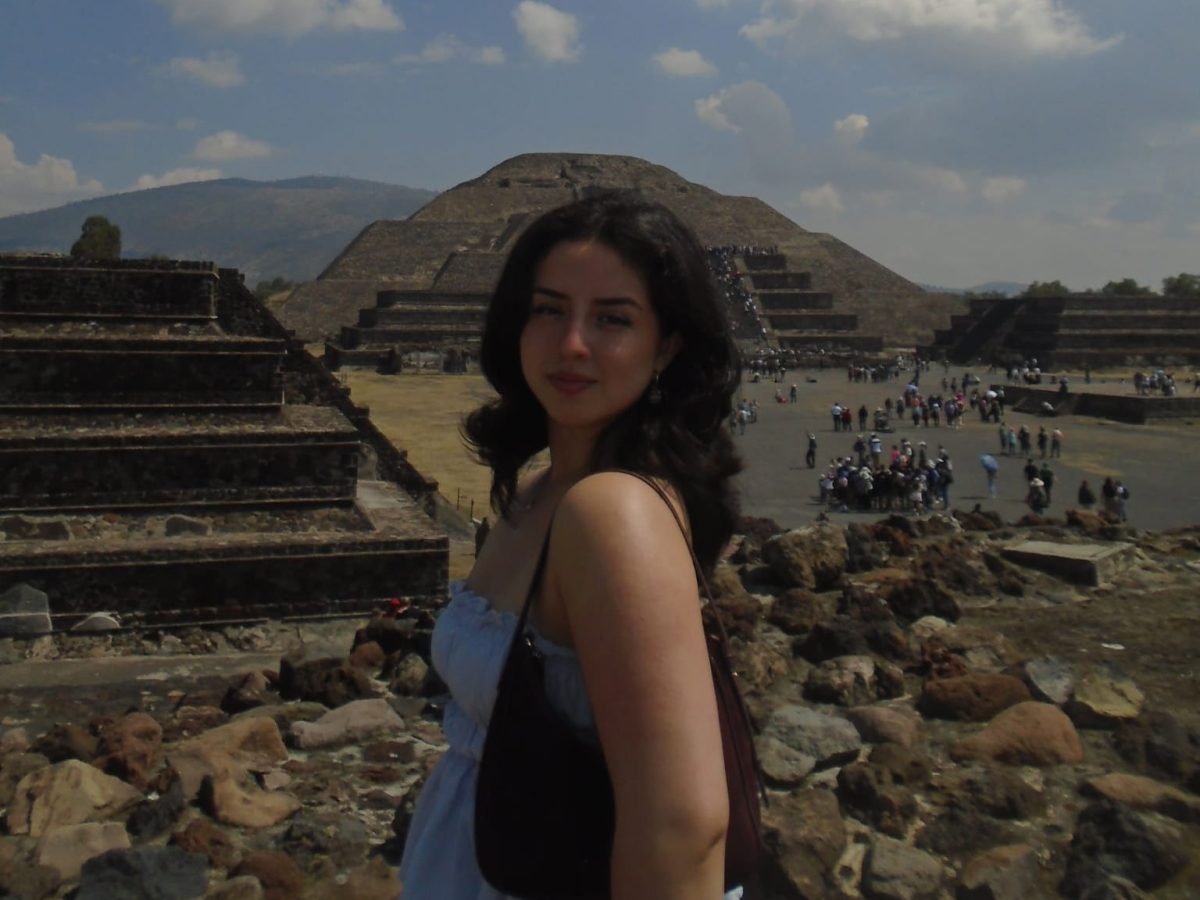
Tymber Felts, GSAS ’27, volunteered in Ecuador. She said the experience of living and working in a new country can expose people to different cultures and viewpoints.
“I think what most volunteers take away is that really getting to know your community and getting to know the people there is what really makes Peace Corps special,” Felts said. “Because at the end of the day, we realize we’re not so different from everybody else, and Peace Corps really lets you see that.”
Fordham has a 25-year long relationship with the Peace Corps through the Coverdell Fellowship, a scholarship program that supports returned Peace Corps volunteers who are pursuing graduate studies.
“That is one of the perks of being a Peace Corps volunteer,” Odra said. “After you’re done with your service, when you come back to the U.S., among the benefits is that you can be eligible to receive a scholarship to attend a university for grad studies. And that’s what we’re managing here at Fordham.”
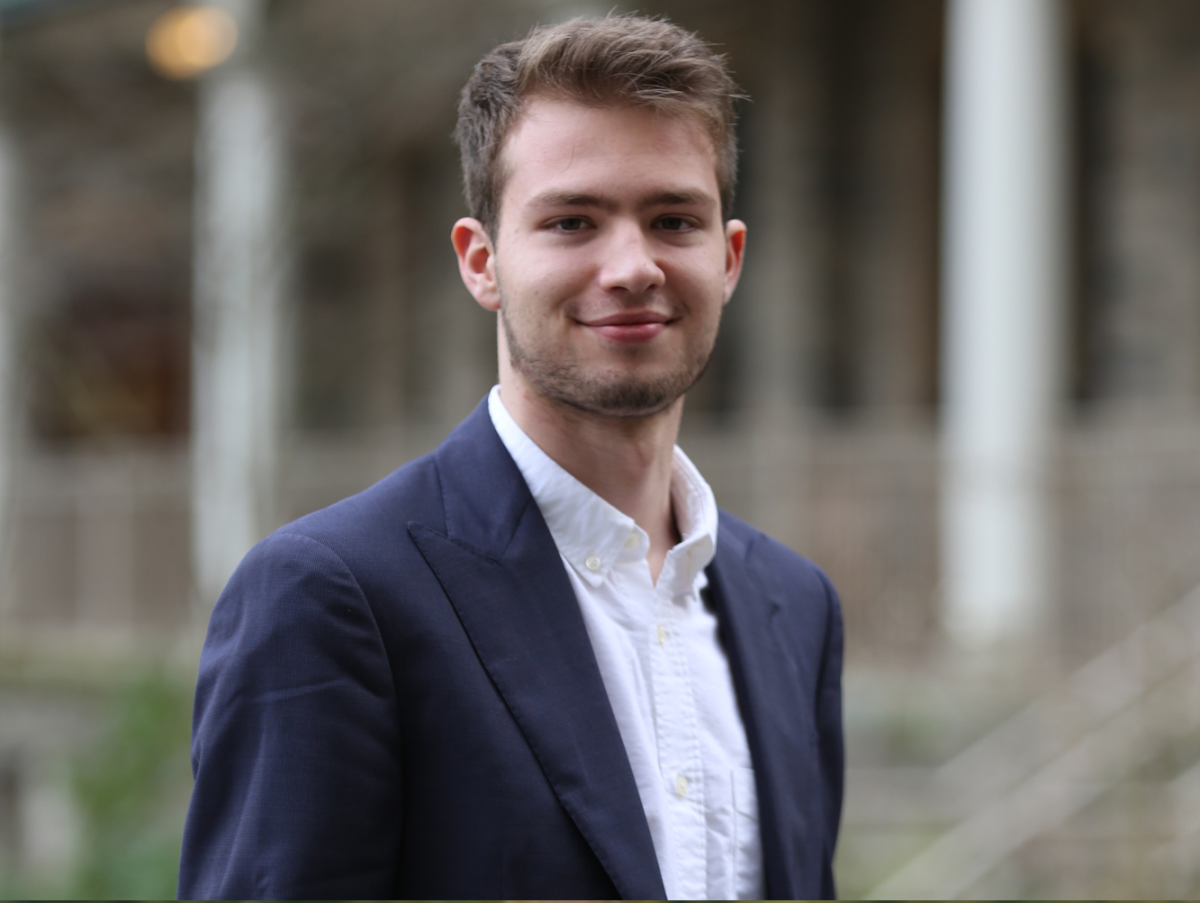
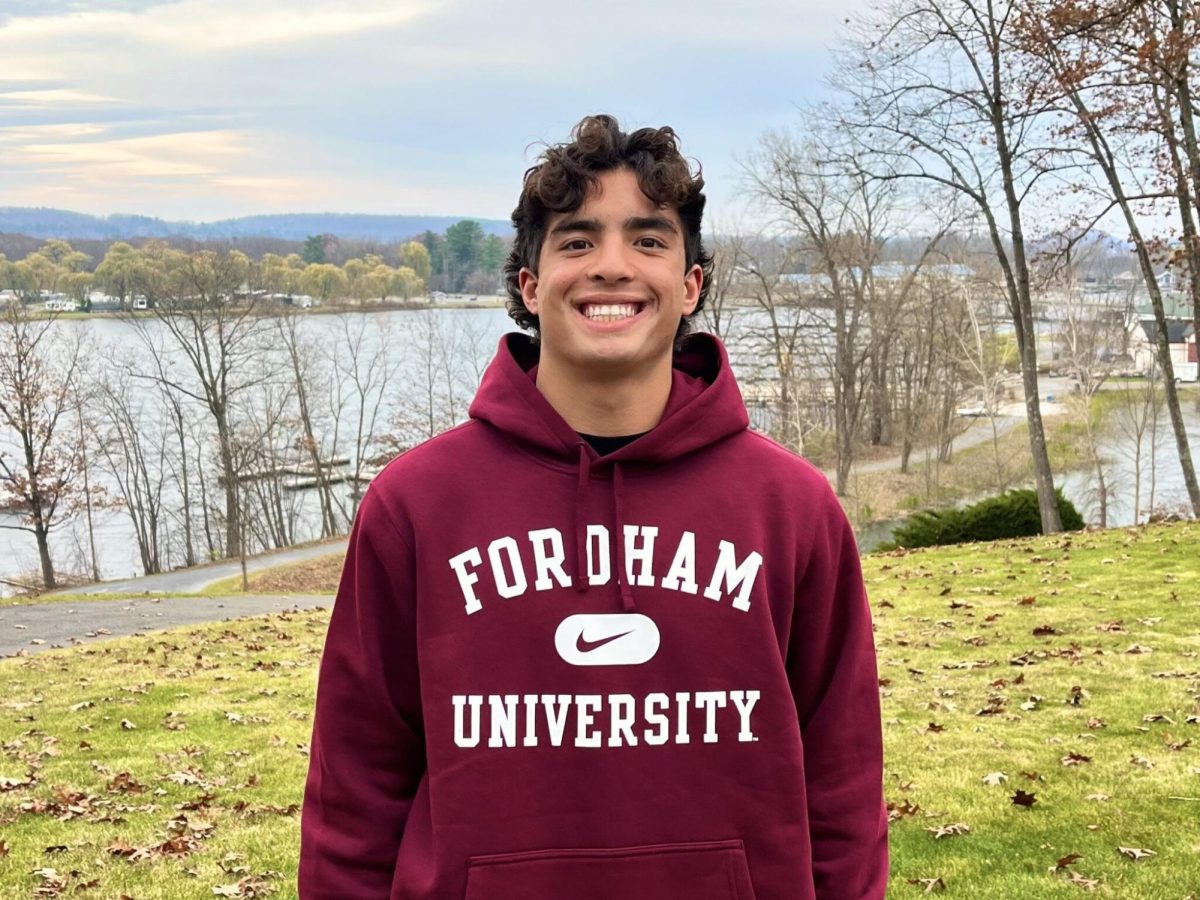
Returned volunteer from Kenya and IPED graduate student Trevor Cox, MA ’27, talked about his experience serving abroad and gave his perspective on why students should volunteer.
“It’s only half the length of undergrad and it’s not as much work as undergrad,” Cox said. “It’s a nice breather before you start a full-time job.”
He also noted that it’s up to each individual to make it their own experience.
“It’s pretty low pressure, and you’re not supervised,” Cox said. “So, you know, some people, they don’t do much. I did some, I think. Other people did more than me, but other people did way less.”
Pacapac said that hearing his RPC friends talk about their experiences and telling stories as volunteers abroad is entertaining, whether or not it’s a serious story.
“Hopefully they think about serving. It could be with Peace Corps, it could be also with other organizations, but for them to know that there is value in living overseas and helping communities overseas,” said Odra.
The takeaway for student attendees was to inspire them to explore the world around them, according to Odra, whether through the Peace Corps programs offered or any other global experience initiatives of interest.