




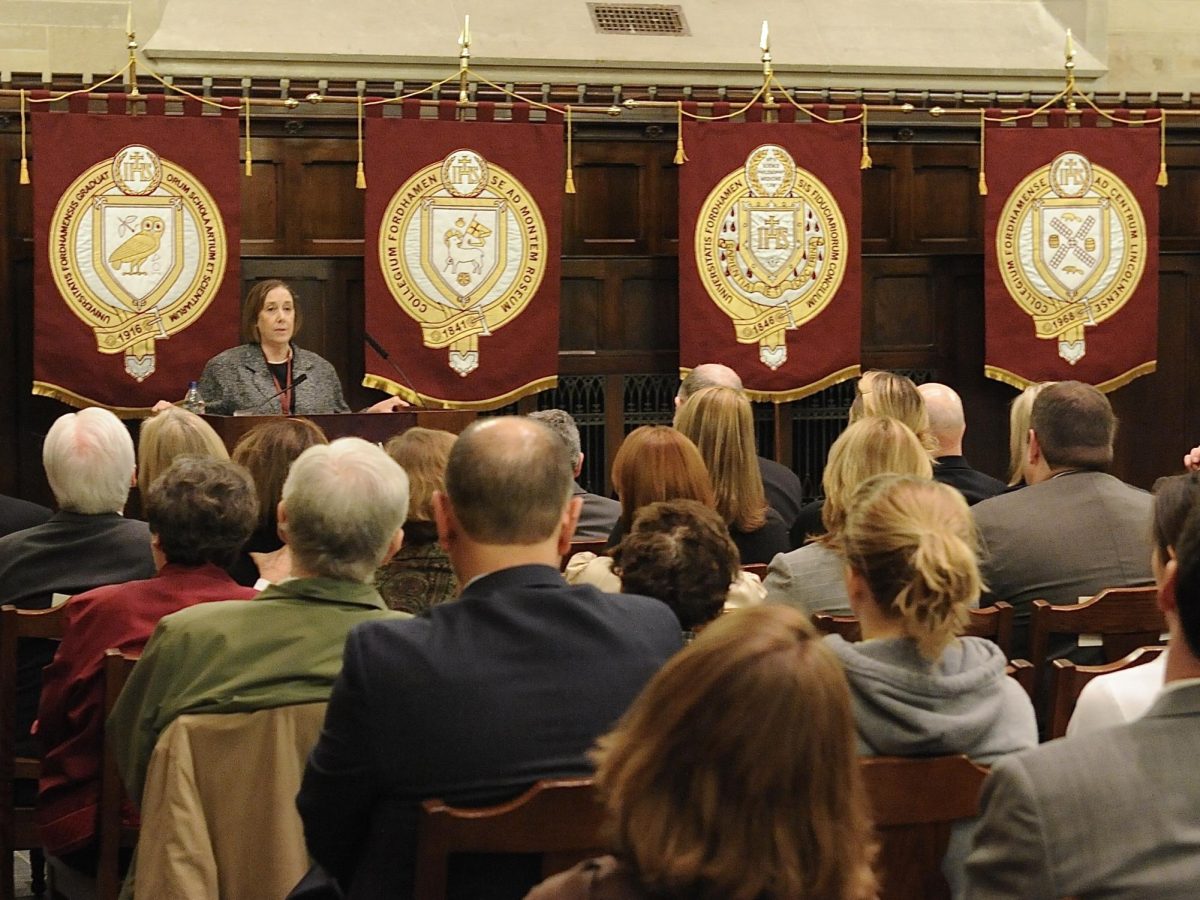




















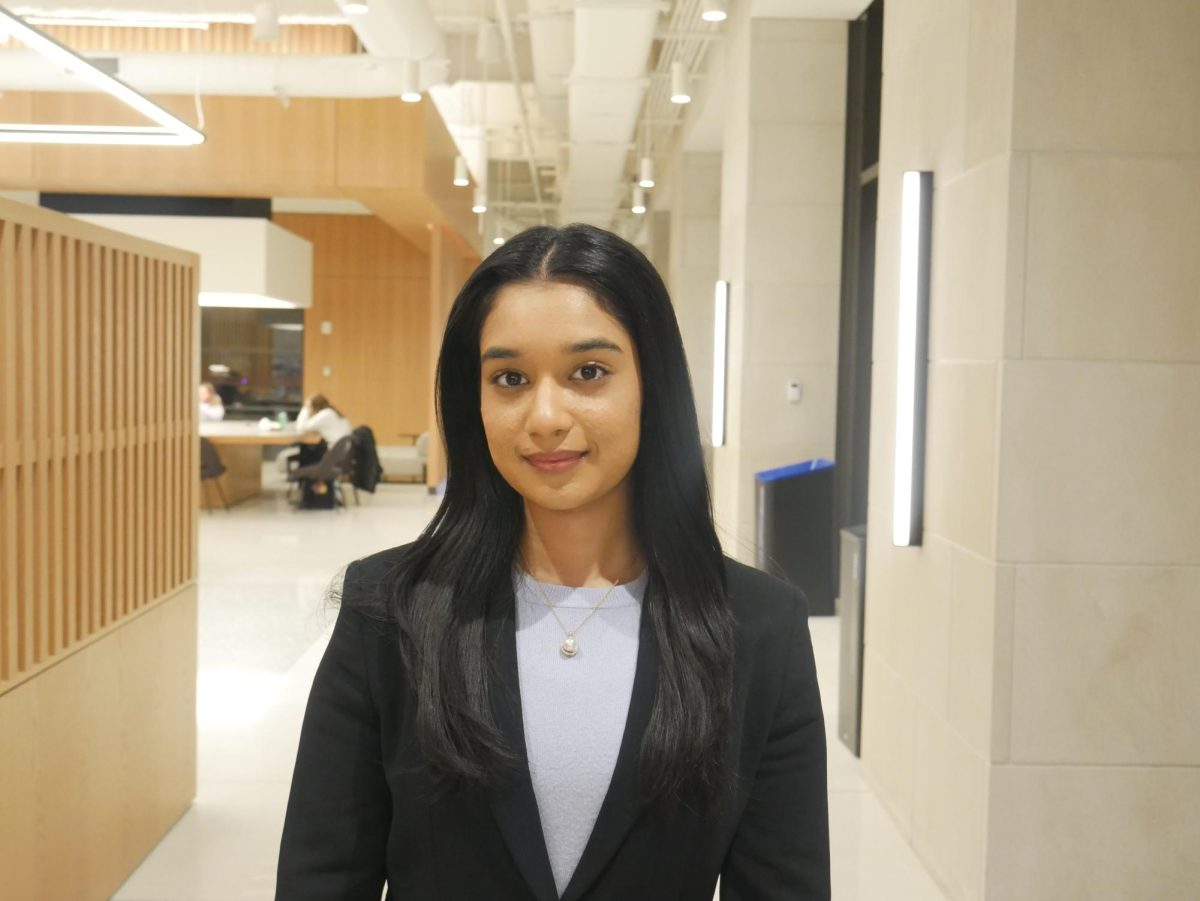
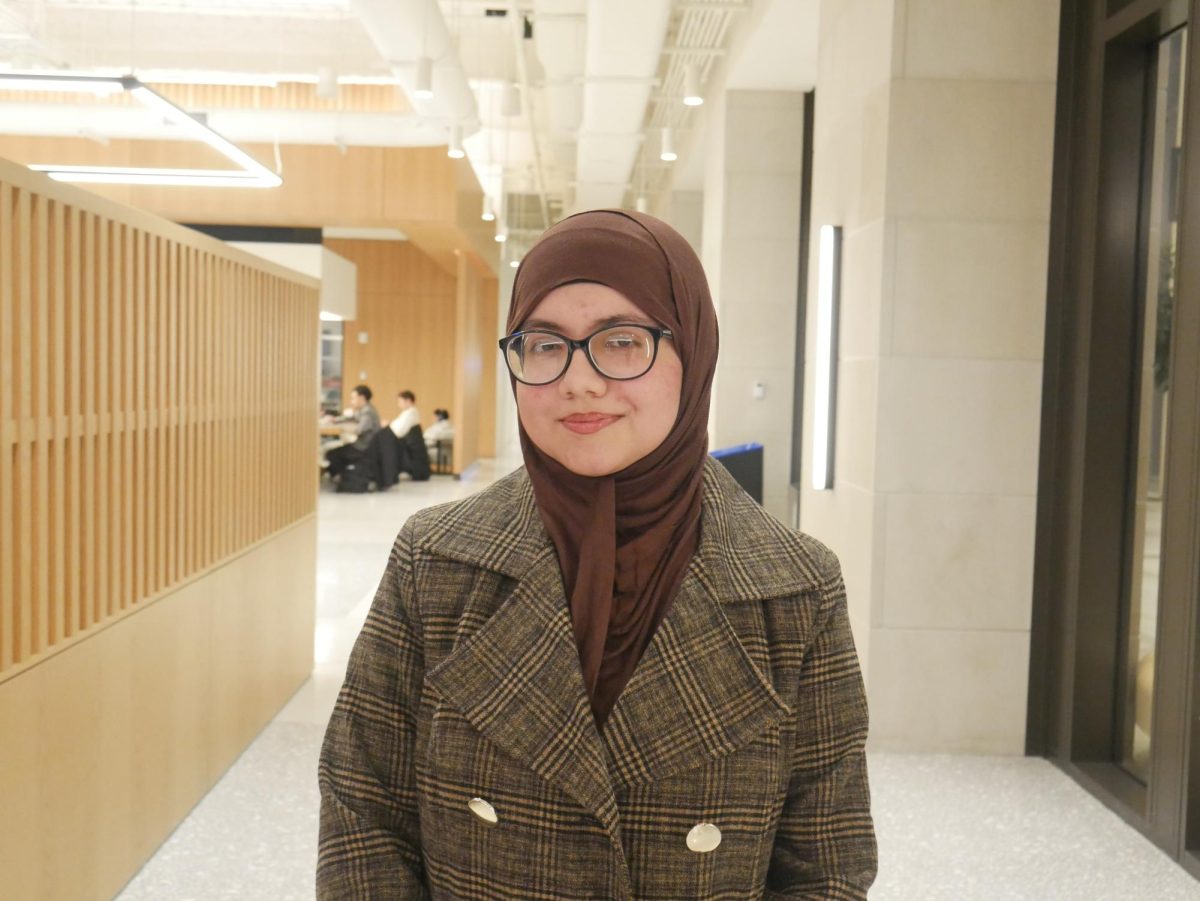
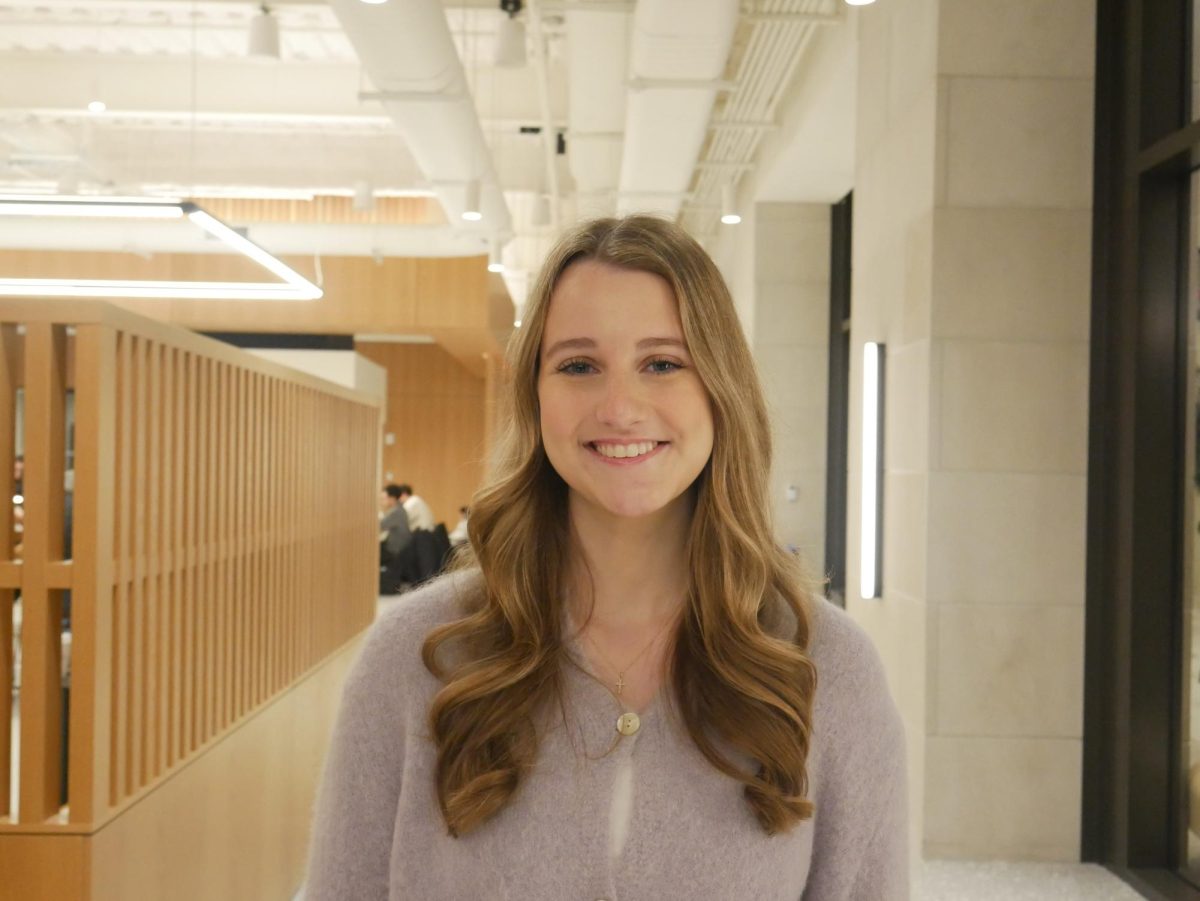



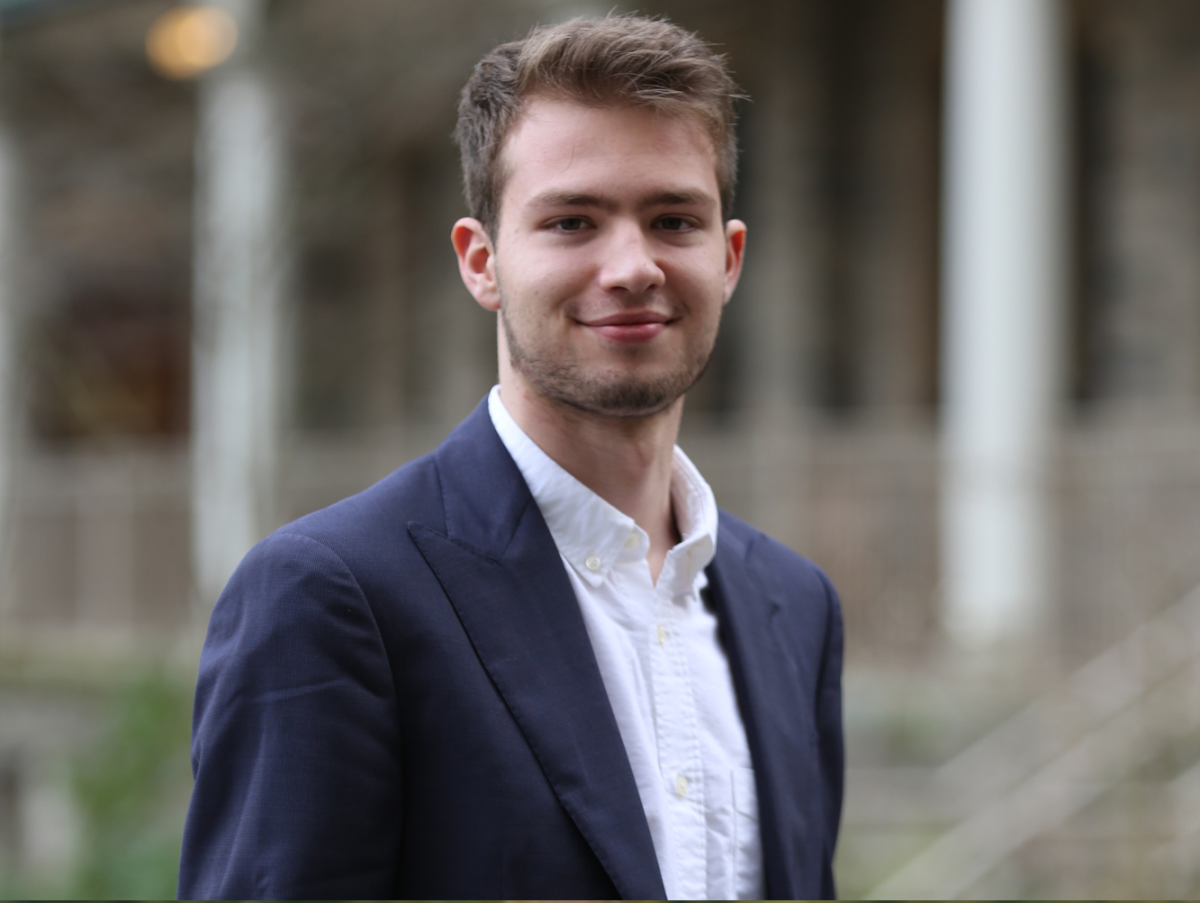
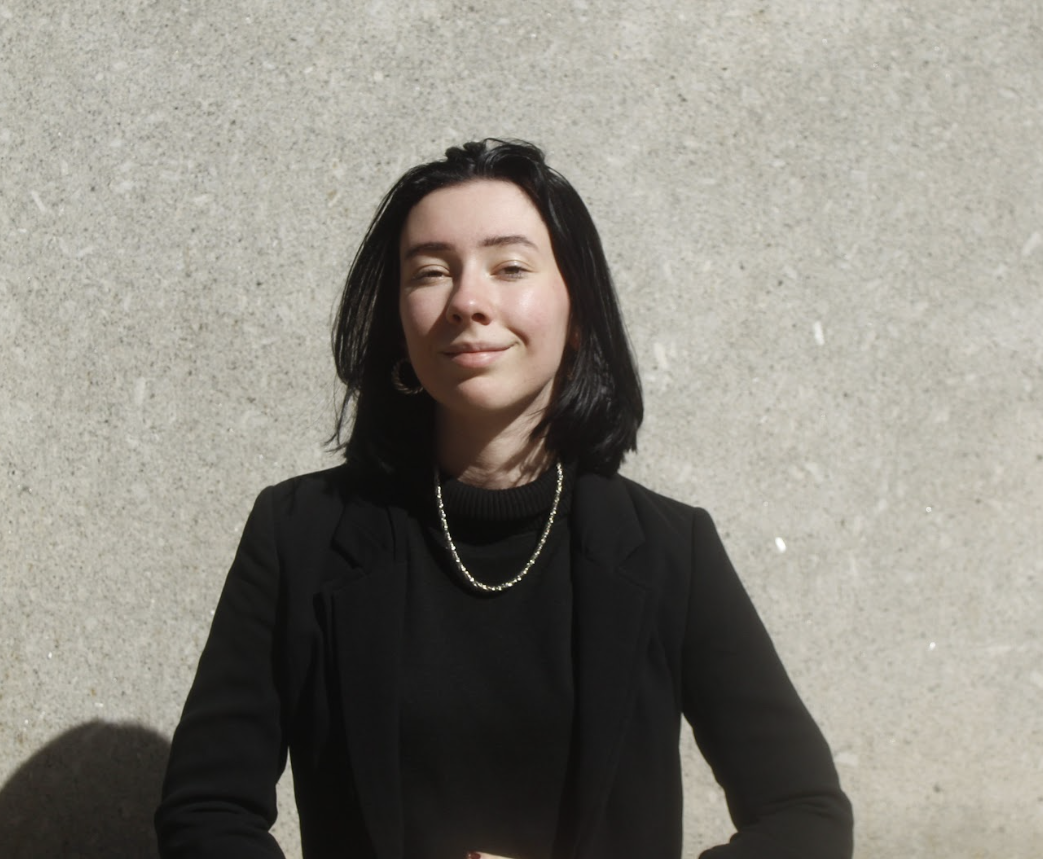






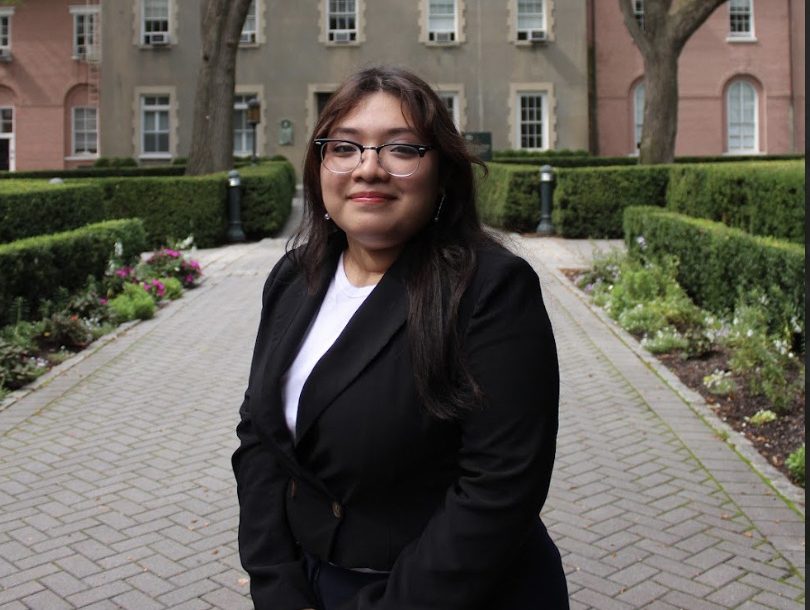





















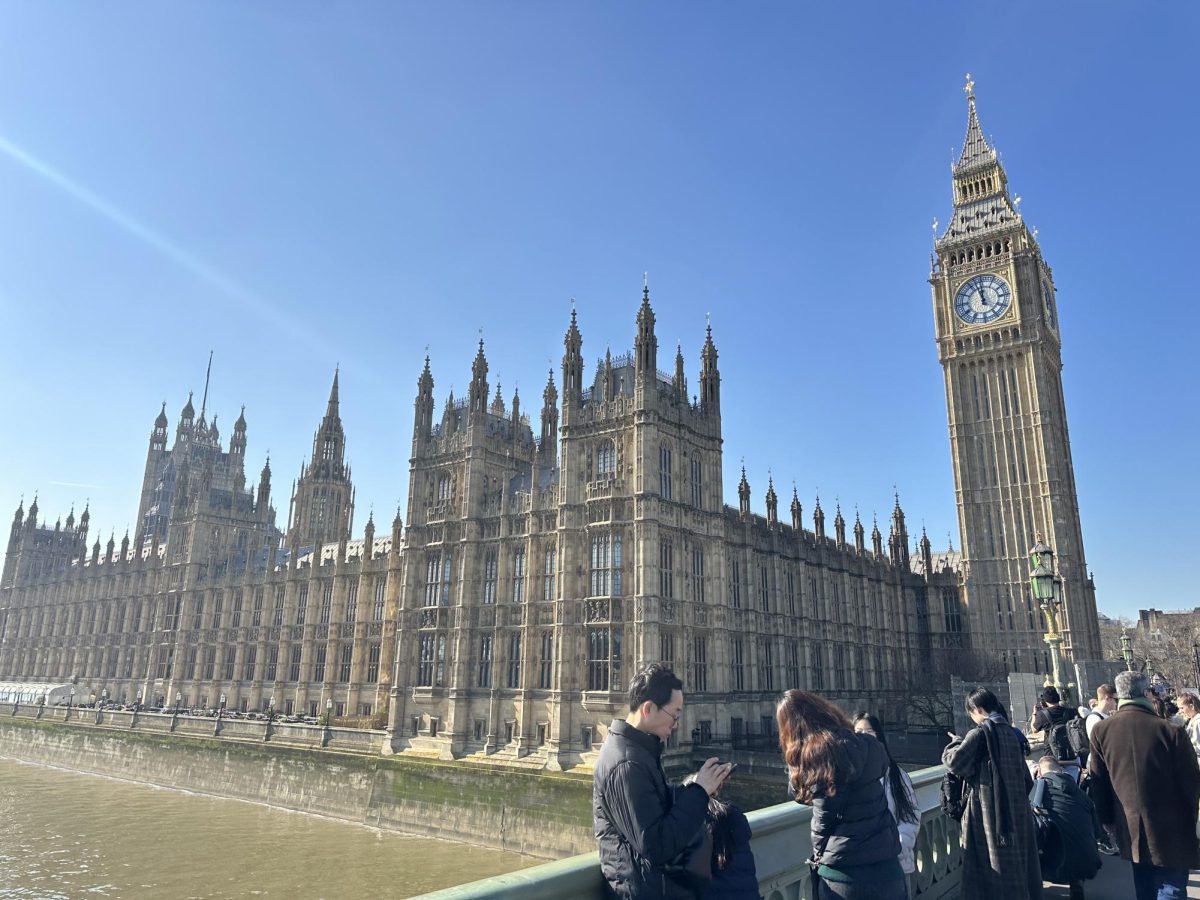






























































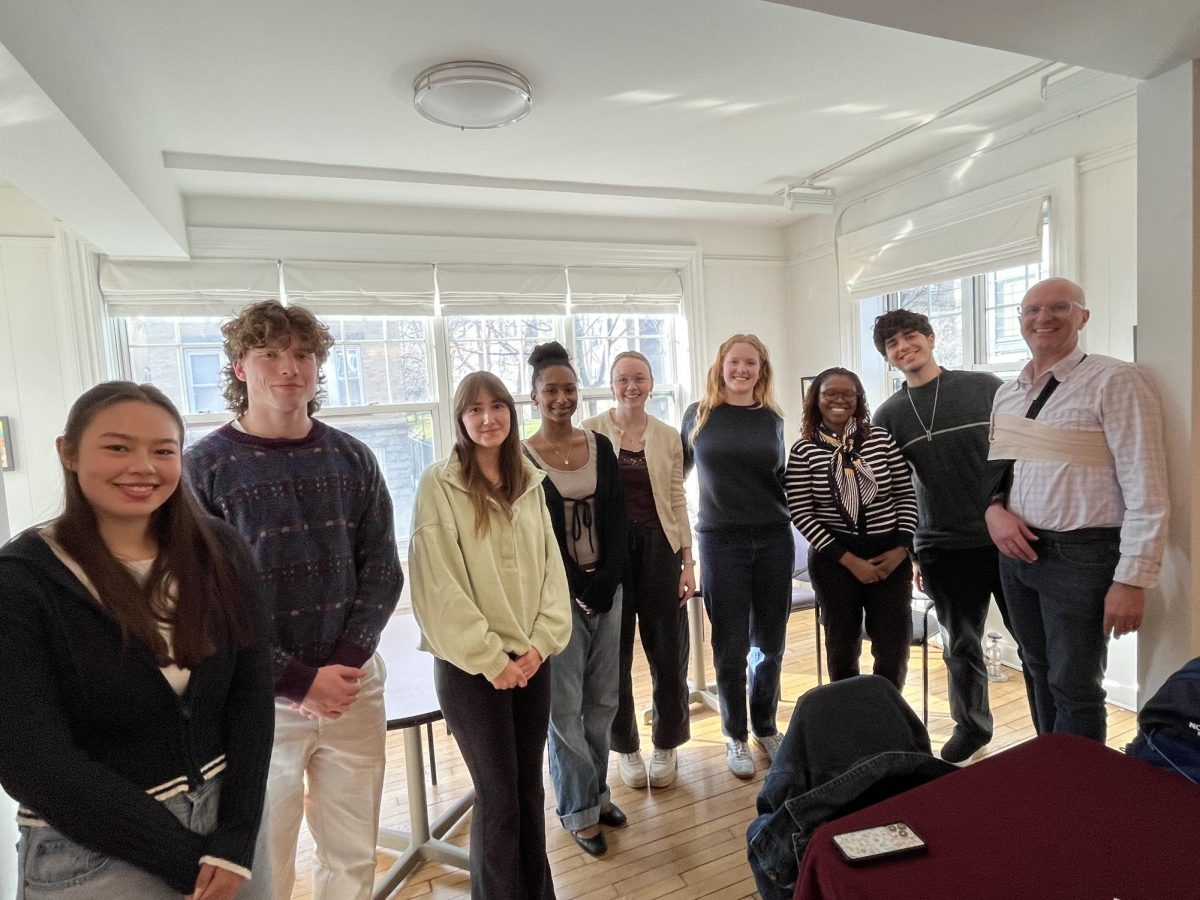
As election day rolled around in New York City, Fordham’s London Campus hosted their own round table discussion highlighting the potential global implications of the 2025 mayoral election. On the evening of Nov. 3, Naomi Rea, FCRH ’27 and political science Professor Becca Farnum moderated a discussion on the role that mayors of major cities play in international relations.
Rea and Farnum invited panelists Laura Mosedale, the co-chair of Voter Registration at Democrats Abroad UK, the former New Zealand parliament member Darren Hughes (who now serves as chief executive of the Electoral Reform Society) and Rebeća Lewis, CEO of the Inside Out Clothing Project. Lewis was unable to attend; her seat was filled by Farnum, a former correspondent for the Obama administration.
The discussion began with Rea asking the panelists if they see mayors as “global leaders,” with influence beyond their own cities. Farnum responded, which highlighted differences between New York City and London — two major metropolitan cities — specifically regarding the history of the mayoral position in New York City and the differing sizes of their fiscal budgets. Farnum went on to ask the room to think about what local control looks like at such a grand scale and cost.
In spite of these major differences, there were also throughlines to look back at, such as former Mayor Michael Bloomberg’s 2002 Smoke Free Air Act, which was famously initiated by his predecessor Rudy Giuliani, as well as contributed to global climate conversations. Through his legislation, London was able to use New York as an exemplary city where smoking bans were working to highlight its own conversations on the topic.
Rea continued by asking what potential impacts the 2025 NYC mayoral election could have on the political discourse in London, the UK and across Europe. Hughes responded to the question.
“I suspect that, if a more traditional system had been used, a different result might have occurred, as opposed to rank-choice voting, which is now in place for the second time in New York’s history,” Hughes said.
Although it was obvious that each panelist was eager to give their input, it was equally clear that each had different points to make.
“This is the first time we have seen a genuine three-party race in a long time,” Farnum said.
Hughes then pointed out that Zohran Mamdani has three main policies, which represent a staunch contrast to Mamdani’s campaigning approach. Mamdani is focusing on a short list of policies as opposed to the large, laundry list of numbers we have become accustomed to seeing from candidates. Farnum talked about other candidates as well.
“If New York goes red, this is a sign to Londoners and Europe, saying ‘Yeah, come on in Fascism!’ And you have Andrew Cuomo taking heat from all sides,” Farnum continued.
Farnum also pointed out that, as an Independent mayoral candidate, Cuomo has been receiving major backlash from both the left and right, with fears that his Independent status will pull voters away from both Mamdani and the Republican nominee, Curtis Sliwa.
Mosedale added, “The first time I heard Mamdani speak, it was on the topic of affordability. A topic that resonates not only everywhere but especially in London. And for young people. It’s an issue that has been building since the 80s across the United States, and if, as a mayor, that problem can be addressed, who knows what the capability of a mayor could be?”
Fordham professor John Annette interjected.
“To what extent do you think a democratic socialist can win? Given that Mamdani has begun to downplay his use of this term, the closer we get to election [day],” Annette said.
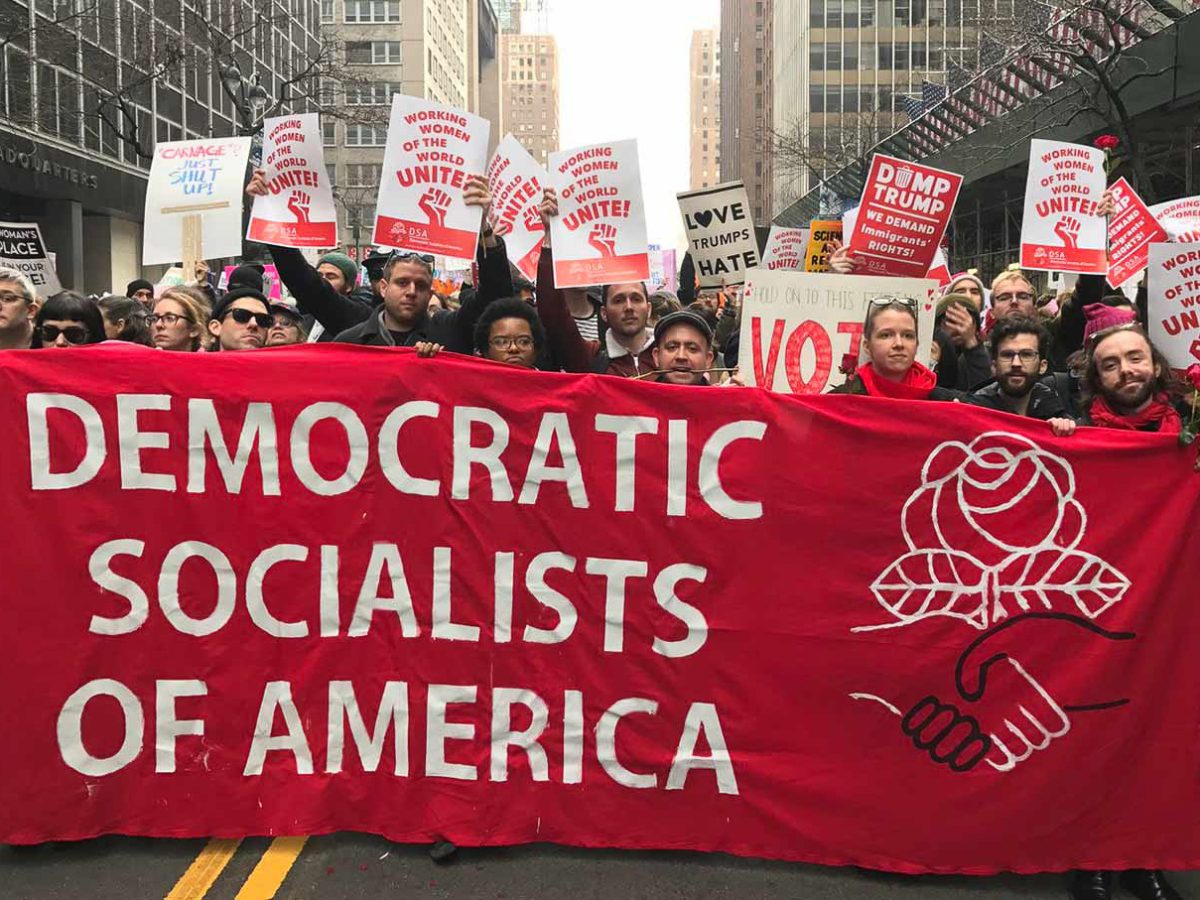
Panelists then discussed Mamdani’s designation as a socialist.
“Mamdani is going to hold back from using this word when you have Cuomo, the safer option, at your disposal,” Farnum said.
She also said that if people see Mamdani doing well in early voting and are deterred by the word “socialist,” those same people may come in and vote for Cuomo. She explained that early polls aren’t always representative of the actual results, citing a 2014 election in Scotland in which a referendum for independence from the UK was voted down, despite early polling showing the opposite result.
In a post-panel interview, Mosedale explained why there is so much coverage of this election.
“Anyone with the name Zohran Mamdani running for anything in the U.S. will be newsworthy. It is the continued legacy of 9/11,” Mosedale said.
Rea summed up the global implications of the election in a post-panel interview.
“The results of this election will show what the world wants right now,” Rea said. “People often say that what happens in the U.S. happens in Europe. So this must be even more true for New York,” Rea finished.

Naomi Rea • Nov 5, 2025 at 9:46 am
Love it!