


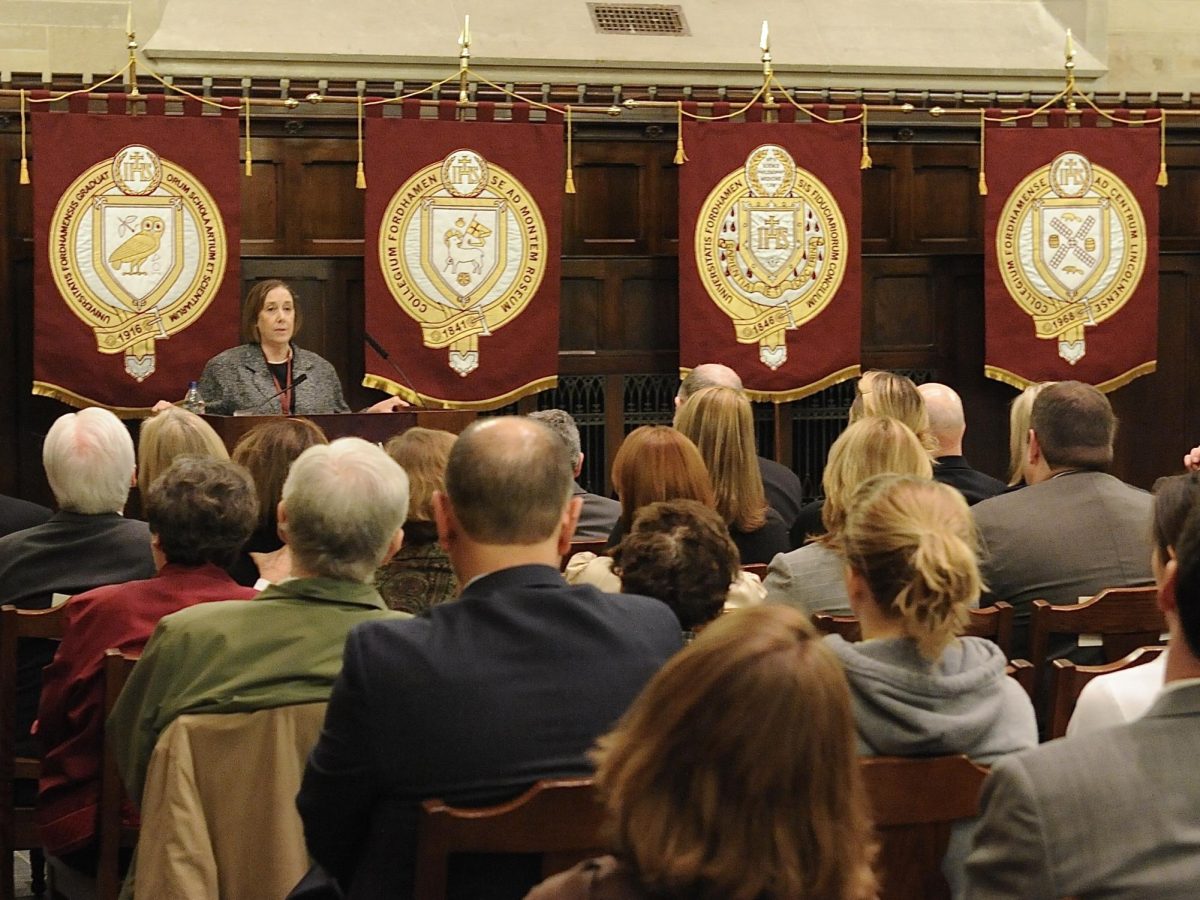




































































































































































The Fordham University Jewish Studies department just held their third talk of their current lecture series titled, “On Disagreement in Jewish History” on Jan. 20 in conjunction with the Fordham School of Law. According to the department, this series was hosted in response to current polarization, as well as animosity and lack of respectful civil discourse in our society.
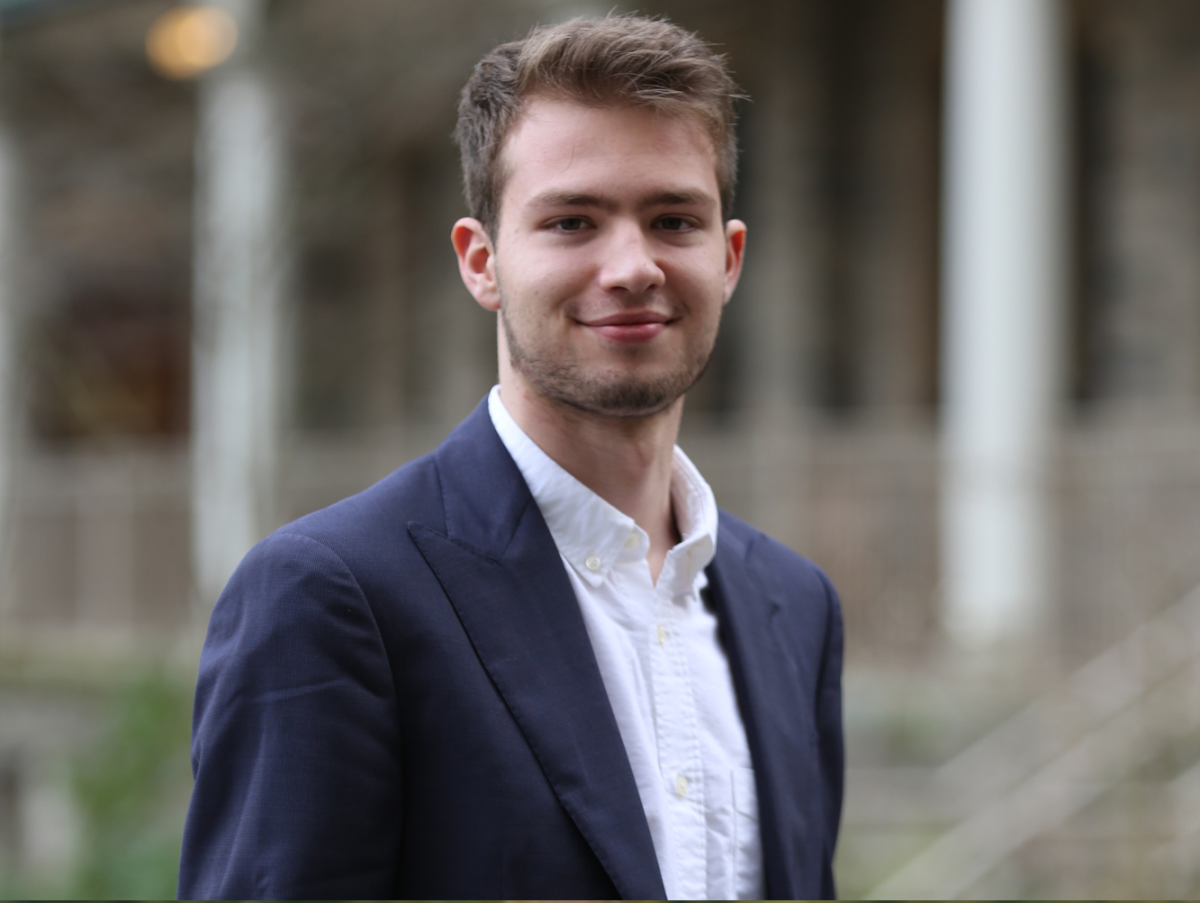
An emeritus professor of Jewish history, Edward Fram, Ph.D., from the Ben-Gurion University of the Negev with a specialty in Jewish Law in the modern period, spoke at the event. Fram has written four books on Jewish Law, the most recent being “The Codification of Jewish Law on the Cusp of Modernity,” from Cambridge University Press.
Fram’s lecture was titled “The Glory and Limits of Dispute in the Study of Rabbinic Culture.” According to the department of Jewish Studies, he was selected because his studies cover the early modern Jewish history period, which is not widely talked about but is crucial for understanding the history of disagreement.
A concrete aspect of Jewish faith is its long and rich history of debate and disagreement, according to Fram.
“The Jewish legal tradition offers an example of a community that (generally) tolerated divergent views on important matters,” Fram said in an email to The Ram. “They not only lived with internal disputes, but they also used them to refine and develop their beliefs.”
In the lecture, Fram had also highlighted that the development of legal pluralism regarding Jewish teachings and traditions arose from the need to adapt understandings of the Torah to changing times, which was achieved through interpretation and the existence of various schools.
One example of these varied interpretations that Fram spoke about is on the cooking of food during the Sabbath. Sabbath, or Shabbat, lasts from sunset on Friday to sunset on Saturday in Jewish tradition. During this period of time, Jews are prohibited from performing 39 types of work, one of which is the cooking of food.
However, according to Fram, the rules of the Sabbath are not as clear and are open to interpretation. For instance, Rabbi Meir interpreted that food being cooked on the Sabbath could unintentionally be enjoyed provided that one was unaware it was the Sabbath. Rabbi Judah suggested that it could be eaten but not on the Sabbath. Rabbi Hasandlar understood that any and all food could not be eaten by the same person who cooked it. All three interpretations come from various biblical interpretations.
“The rule was never codified in the Mishnaic period,” Fram said. “There was no guidance on how to act. Nevertheless, all three possibilities are considered part of the rabbinic tradition.”
While the disagreement may seem inherently divisive, it doesn’t have to be, according to Fram.
“[There are] multiple views, part and parcel of rabbinic legal culture, [with] centuries wrapped by dealing with possibilities and creating new possibilities. This made for a vibrant and sometimes animated legal culture,” Fram said. “I’m just in the early modern period … It’s tilted down. [It] does not mean that new ideas and positions are not being developed and debated to this day.”
The recorded lecture can be found on the Jewish Studies department’s YouTube page.